Pakistan Leads Global Progress in Closing Mobile Gender Gap, GSMA Report Finds
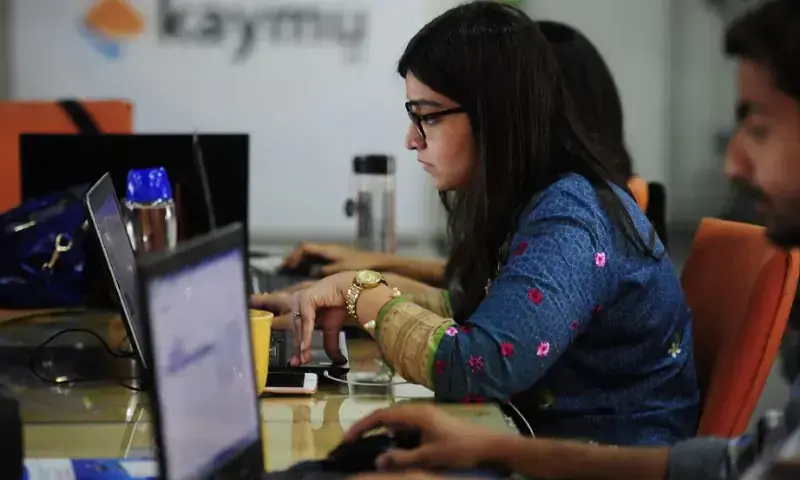
A new GSMA Mobile Gender Gap Report 2026 reveals Pakistan has made the most significant global strides in reducing the gender gap in mobile ownership, with the disparity shrinking from 37% in 2024 to 27% in 2025. The country also showed strong performance among 14 surveyed low- and middle-income countries (LMICs) across various digital access and usage indicators for women. Notably, the mobile internet gender gap saw a dramatic decrease, plummeting from 25% to 8% in just one year, indicating rapid independent digital adoption by women. The report emphasizes that personal smartphone ownership is crucial for meaningful digital engagement, as 94% of women owning a smartphone use mobile internet daily, compared to 48% of those sharing devices. Mobile connectivity remains a vital gateway to essential services like information, healthcare, education, and financial services for over 3.2 billion people in LMICs. Julian Gorman of GSMA highlighted Pakistan's progress as a collective effort, stressing the need for continued focus on device access and a supportive digital ecosystem. While Sri Lanka and Mexico have achieved gender parity in mobile internet use, other nations like Bangladesh (38%) and Ethiopia (36%) still face wider gaps. Aamir Ibrahim of the Telecom Operators’ Association (TOA) lauded Pakistan's achievement, attributing it to collaborative efforts between government and industry, but cautioned that sustained progress requires addressing affordability, digital skills, and social norms. The TOA acknowledged the contributions of the Government of Pakistan, the Ministry of Information Technology and Telecommunication, the Pakistan Telecommunication Authority, development partners, and industry stakeholders in fostering digital inclusion.
The GSMA report highlights a significant positive trend in Pakistan's digital inclusion efforts, particularly concerning women's access to mobile technology. This progress, driven by a combination of government policy, industry initiatives, and potentially evolving social dynamics, demonstrates the impact of focused interventions on narrowing the gender gap. The dramatic reduction in the mobile internet gender gap suggests that efforts to increase access and affordability are yielding results. However, the analysis of persistent barriers like digital skills and social norms indicates that systemic challenges remain. Future efforts should consider how to foster not just access but also confident and independent digital participation, ensuring that gains are sustainable and that women can fully leverage digital tools for economic and social empowerment. The report's findings underscore the critical role of personal device ownership, suggesting that policies promoting affordable smartphone access for women could accelerate progress across other LMICs facing similar digital divides.
AI-generated to prompt reflection — not editorial opinion, not advice, not a statement of fact. How this works.