Pakistan Medical Association Declares National Health Emergency Over 651,000 Unvaccinated Children
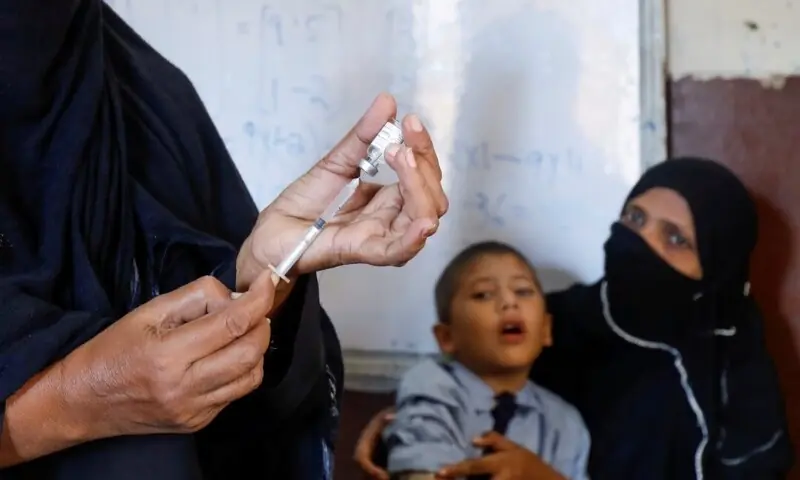
The Pakistan Medical Association (PMA) has issued a national red alert, declaring the significant number of "zero-dose" children in Pakistan a public health emergency. This designation stems from data revealing 651,000 infants have not received even the first dose of the DTP vaccine, placing Pakistan among the highest in the WHO Eastern Mediterranean Region. The PMA warns this immunity gap poses an imminent risk of widespread childhood diseases and mortality, threatening herd immunity across the region. While other countries in the region face similar challenges due to war or state collapse, Pakistan's crisis is attributed primarily to governance failures and administrative negligence. The PMA Secretary-General, Dr. Abdul Ghafoor Shoro, highlighted that this situation represents a systemic failure in primary preventive healthcare, exacerbated by decades of corruption and lack of political prioritization. The association specifically cited nepotism, weakened immunization programs, inadequate outreach to remote areas, and failure to address vaccine hesitancy as contributing factors. To address this critical issue, the PMA is calling for a comprehensive audit of provincial health funds, demanding financial transparency and accountability for negligent administrators. They also advocate for routine immunization to be recognized as a national security priority, urging the use of data-driven strategies to locate and vaccinate missed children, particularly in high-risk districts. Furthermore, the PMA recommends modernizing vaccine supply chains, ensuring timely payments, and improving compensation, training, and security for frontline health workers.
The PMA's declaration highlights a critical breakdown in Pakistan's public health infrastructure, particularly concerning routine childhood immunizations. The significant number of "zero-dose" children, attributed to governance failures and corruption rather than conflict, suggests systemic issues in resource allocation, administrative capacity, and political will to prioritize essential healthcare services. This situation creates a substantial public health vulnerability, increasing the risk of outbreaks of preventable diseases. Moving forward, addressing this requires not only financial transparency and accountability but also a fundamental re-evaluation of healthcare governance models. The challenge lies in building resilient systems that can effectively reach all populations, especially in remote areas, and counter misinformation, ensuring that essential health services are treated as a non-negotiable component of national security and long-term societal well-being in the coming decade.
AI-generated to prompt reflection — not editorial opinion, not advice, not a statement of fact. How this works.