Pakistan Meteorological Department Forecasts Monsoon Rains from July 29 to August 6
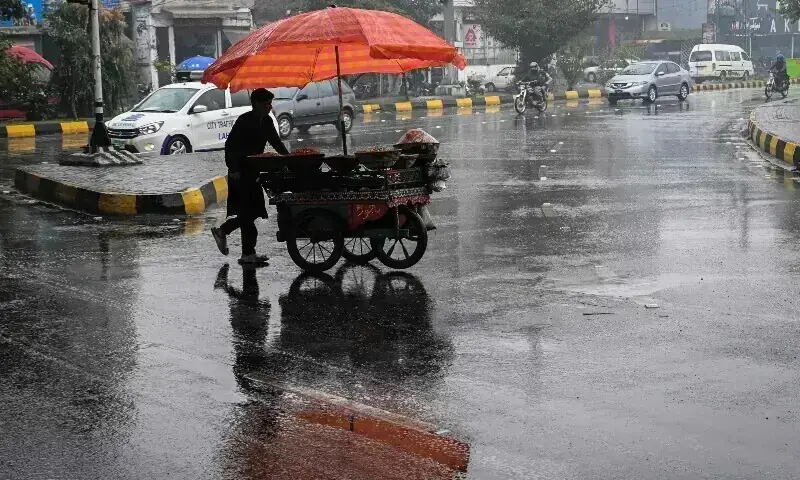
The Pakistan Meteorological Department (PMD) has announced a new monsoon rain spell expected to affect various regions of the country from July 29 to August 5. This forecast comes as several areas are still recovering from recent rainfall and subsequent flooding. Monsoon currents from the Arabian Sea and Bay of Bengal are predicted to reach the upper and central parts of Pakistan starting July 29, with a strengthening westerly wave expected to influence most of these areas from August 1 onwards. Rainfall, accompanied by wind and thundershowers, is anticipated in Azad Jammu and Kashmir, including Neelum Valley and Muzaffarabad, from the night of July 28 to August 5. Punjab is expected to experience scattered heavy to very heavy showers across numerous districts, including Islamabad, Rawalpindi, and Lahore, from July 29 to August 4. Southern Punjab districts will see thundershowers from July 31 to August 3. Khyber Pakhtunkhwa is forecast to receive rain with wind and thundershowers in many districts, such as Peshawar and Mardan, from July 29 to August 5. Gilgit-Baltistan anticipates rainfall and thunderstorms with moderate to heavy falls in areas like Diamer and Skardu from July 28 to August 6. Balochistan's eastern and southern parts, including Zhob and Gwadar, are expected to have rain-wind/thundershowers with isolated heavy falls from July 31 to August 3. Sindh is predicted to experience rain and thundershowers with isolated moderate to heavy falls in districts like Karachi and Hyderabad from the evening of July 31 to August 2. The PMD has issued warnings for potential urban flooding in low-lying areas of Islamabad, Rawalpindi, Peshawar, Lahore, and Multan, as well as in several districts of Sindh. Additionally, warnings have been issued for landslides in parts of Khyber Pakhtunkhwa, Gilgit-Baltistan, and Kashmir, and for flash floods in local streams and hill torrents in various regions. Tourists are advised to exercise caution.
The Pakistan Meteorological Department's forecast highlights the recurring challenge of monsoon season impacts, including the potential for severe weather events like urban flooding and landslides. These events underscore the critical need for robust infrastructure and disaster preparedness strategies, particularly in vulnerable regions. The cyclical nature of these forecasts suggests a persistent systemic vulnerability to climate patterns, necessitating long-term planning that integrates climate resilience into urban development and land-use policies. As the region experiences more intense weather, understanding the interplay between meteorological predictions, infrastructure capacity, and community response will be crucial for mitigating future risks and ensuring public safety in the coming decade.
AI-generated to prompt reflection — not editorial opinion, not advice, not a statement of fact. How this works.