Pakistan Minister Tightens Blue Passport Rules Amid Backlash Over Ex-MP Children
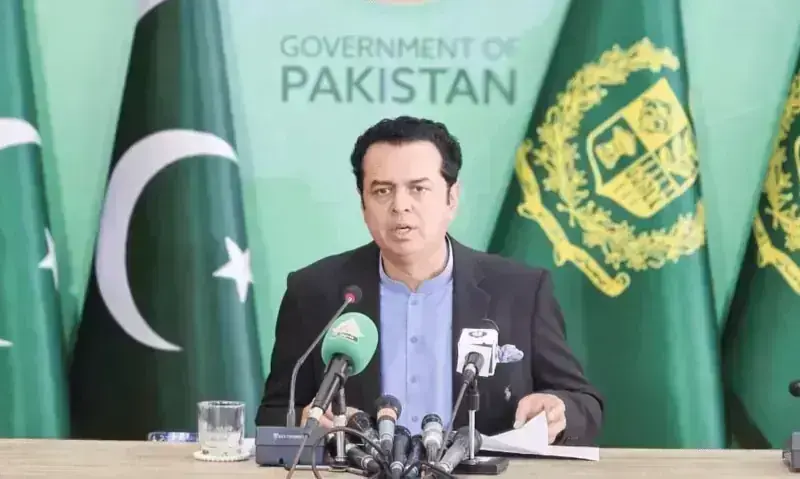
Pakistan's Minister of State for Interior, Tallal Chaudhry, has announced stricter measures for issuing blue passports following public criticism of a bill that would grant these travel documents to the children of former parliamentarians. The proposed legislation, approved by a Senate panel on July 10, aimed to extend the privilege, currently available to retired Grade-22 government officers' children, to ex-members of parliament's dependents under 28. Chaudhry stated that all blue passport applications will now require interior ministry approval, with potential escalation to the interior secretary or minister. He acknowledged that the large number of blue passport holders has hindered visa abolition agreements with other nations, a goal Pakistan is actively pursuing. Chaudhry indicated that the number of blue passports, currently under 50,000 (down from 70,000), would be reduced by an additional 15-20 percent. Discussions for visa exemption agreements for blue passport holders are advanced with Saudi Arabia and underway with countries like Italy. Chaudhry suggested that if former parliamentarians are to be treated similarly to retired bureaucrats, an amendment to remove the facility for the latter might be a more appropriate course of action. Senator Ali Zafar opposed the bill, emphasizing that blue passports are for official state functions, not status symbols or lifelong entitlements, and pledged to oppose such proposals again. The article details the extensive list of eligible individuals for blue passports, including various government officials, judges, senior bureaucrats, and their dependents, which grants visa-free access to 55 countries, including 22 in Europe.
The Pakistani government's proposed expansion of blue passport eligibility, intended to grant former parliamentarians' children similar privileges to retired senior bureaucrats, highlights a persistent tension between public service and personal entitlement. The backlash, coupled with Minister Chaudhry's subsequent tightening of regulations and acknowledgment of the negative impact on international travel agreements, suggests a potential misalignment between legislative intent and national interests. This situation underscores the importance of transparent governance and the need for policies that prioritize national objectives, such as facilitating international relations, over expanding familial privileges. The debate also raises questions about the long-term sustainability of such entitlements in an era increasingly focused on meritocracy and equitable access to state resources, prompting consideration of whether existing privileges for high-ranking officials and their dependents are consistent with evolving societal expectations and global diplomatic norms.
AI-generated to prompt reflection — not editorial opinion, not advice, not a statement of fact. How this works.