Pakistan Minister Vows Street Protests Over Karachi's Neglect
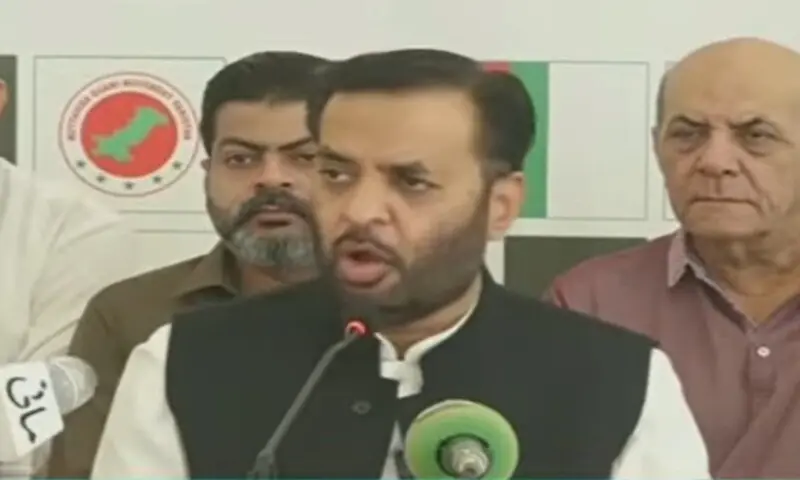
Mustafa Kamal, Pakistan's federal health minister and a leader of the Movement-Pakistan (MQM-P) party, announced on Saturday that his party will organize street protests to address perceived injustice and neglect of Karachi. Speaking at a press conference in Karachi, Kamal criticized the Sindh provincial government for its indifference towards the city and its residents. He stated that the MQM-P has exhausted parliamentary avenues, including speaking in assemblies and proposing constitutional amendments, without success. Consequently, the party will now pursue its objectives through public demonstrations, asserting that this right is protected by the Constitution and the law.
Kamal argued that Pakistan's current system, structured around four provinces and a federating unit, is unsustainable. He specifically pointed to the mismanagement of funds allocated to Sindh, claiming they do not reach the districts or union councils. The minister also advocated for the devolution of power, emphasizing the creation of new provinces on an administrative basis, and criticized the reluctance to amend the 18th Amendment, which he believes has not been fully implemented. He accused the Sindh government of hindering Karachi's economic potential and failing to provide essential civic services, such as adequate drinking water, proper sewerage, and sufficient educational facilities, including functional toilets in girls' schools. Kamal expressed disappointment that Karachi, despite its economic significance, has not been prioritized for development, contrasting it with Lahore and suggesting Karachi should have led Pakistan's economic recovery.
The announcement by Federal Health Minister Mustafa Kamal to take MQM-P's grievances regarding Karachi to the streets signals a potential escalation in inter-governmental tensions between the federal and Sindh provincial administrations. This move highlights a recurring challenge in Pakistan's governance: the equitable distribution of resources and development across its major urban centers and provinces. Kamal's critique of the 18th Amendment and his call for new provinces on an administrative basis suggest a fundamental disagreement over the current federal structure and its impact on urban economies. The strategy of public protest, while constitutionally permissible, introduces a dynamic of popular pressure into policy disputes, which could either force concessions or lead to further political deadlock. The underlying issue is the tension between provincial autonomy, as enshrined in the 18th Amendment, and the perceived need for centralized or more direct intervention to foster economic growth in key cities like Karachi, especially in the context of Pakistan's persistent economic challenges.
AI-generated to prompt reflection — not editorial opinion, not advice, not a statement of fact. How this works.