Pakistan Opposition Demands Neutral Venue for Government Talks
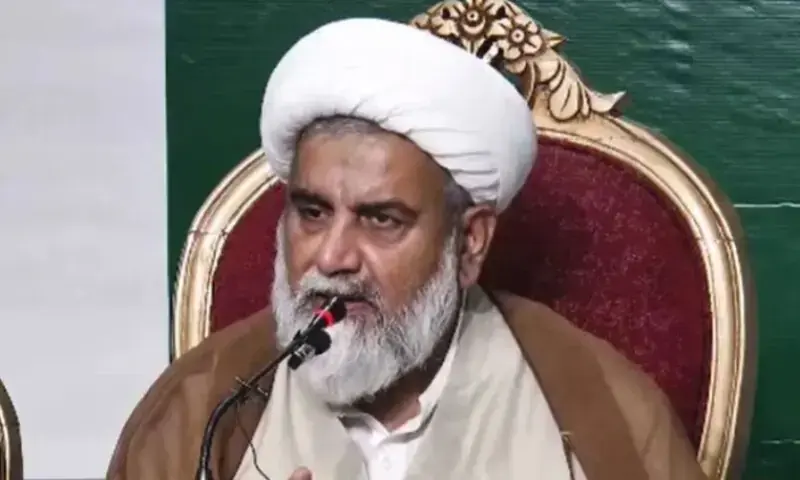
An opposition leader confirmed on Tuesday that the alliance is ready for dialogue with the government but has requested a neutral venue for the proposed talks. Allama Raja Nasir Abbas, chief of the Majlis Wahdatul Muslimeen (MWM), stated that while the government invited opposition leaders to the Prime Minister's Office, they prefer to meet at Parliament House. Abbas indicated that the opposition is willing to meet with the prime minister and other ministers, but not in the PM's Office or the National Assembly speaker's chambers. Instead, they proposed the Constitution Room of Parliament House and are awaiting the government's response. Abbas expressed concern about potential harm to the country if a "collision course" is pursued, emphasizing the opposition's desire for an amicable solution through negotiation. He questioned the options available if "doors of talks, judicial forums and election are all closed." Additionally, Abbas announced plans for nationwide demonstrations on the anniversary of PTI founder Imran Khan's arrest, assigning responsibility for mobilization in Khyber Pakhtunkhwa to CM Sohail Afridi. He credited Imran Khan's sisters for keeping the issue of his detention prominent, drawing a parallel to the forgotten case of former Venezuelan ruler Nicholas Maduro. Abbas declined to comment on internal party criticism of Aleema Khan but praised Imran's sisters for their persistent efforts.
The opposition's insistence on a neutral venue for talks signals a strategic effort to establish parity and exert leverage in negotiations with the government. This demand reflects a broader concern about the perceived impartiality of state institutions and the potential for undue influence in official settings. By proposing Parliament House, they aim to create an environment perceived as more equitable and conducive to open dialogue. The opposition's stated willingness to negotiate, juxtaposed with their concerns about closed avenues for recourse, suggests an attempt to de-escalate potential street-level mobilization while preserving options for public pressure. This dynamic highlights the ongoing tension between institutional dialogue and extra-institutional activism in Pakistan's political landscape, with future stability likely depending on the government's responsiveness to these procedural demands and the opposition's ability to translate public sentiment into sustained political engagement.
AI-generated to prompt reflection — not editorial opinion, not advice, not a statement of fact. How this works.