Pakistan Passes Proposal to Make Gilgit-Baltistan a Province
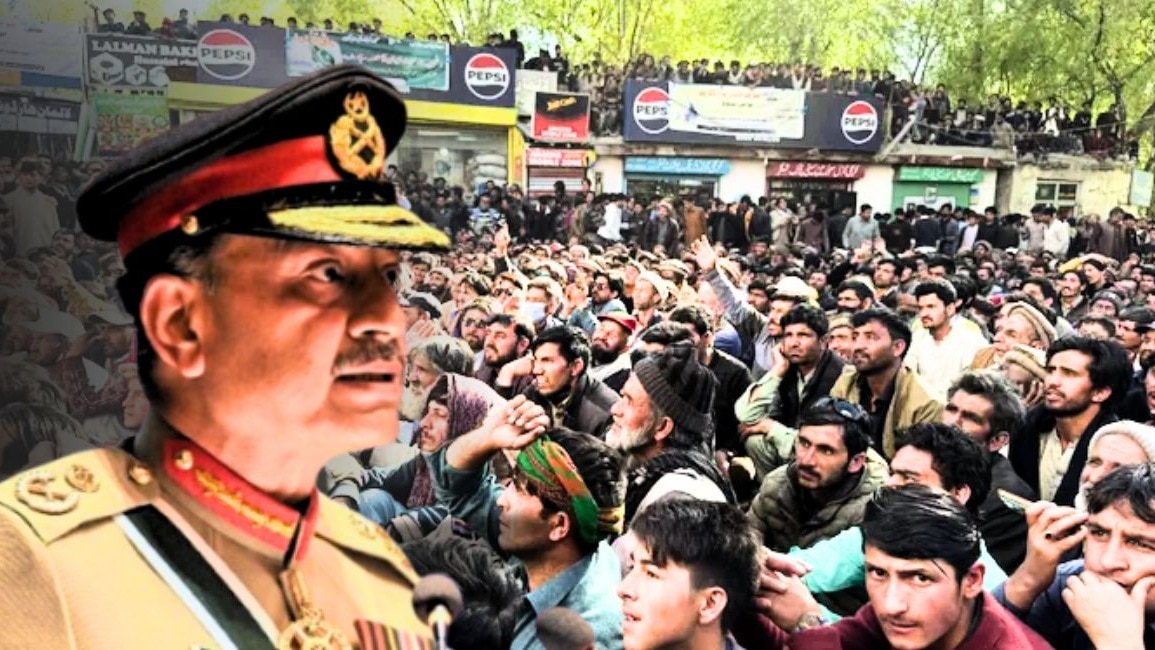
Pakistan has passed a proposal to make Gilgit-Baltistan a province. This development occurs at a time when Pakistan is facing significant challenges, including escalating violence in Balochistan and a rising insurgency in Khyber Pakhtunkhwa. India maintains a clear and consistent stance that the entirety of Jammu and Kashmir, including Gilgit-Baltistan, is an integral and inalienable part of India. The region of Gilgit-Baltistan, which borders China, Pakistan, Afghanistan, and India, has been under Pakistani administration since 1947. The proposed administrative change could have significant implications for the region's political status and its relationship with both Pakistan and India. This move is also being watched closely given the geopolitical importance of the region, particularly in relation to the China-Pakistan Economic Corridor (CPEC).
The Pakistani government's decision to elevate Gilgit-Baltistan's administrative status to a province, while potentially addressing internal governance needs, introduces new geopolitical complexities. This action directly challenges India's long-standing territorial claims over the region, potentially escalating existing bilateral tensions. From a strategic perspective, integrating Gilgit-Baltistan more formally could be seen as an attempt to consolidate control and potentially secure infrastructure projects like the China-Pakistan Economic Corridor, aligning with broader regional power dynamics. However, such a move risks alienating local populations and could exacerbate existing security concerns in Pakistan's western territories, creating a delicate balancing act for Islamabad's governance strategy.
AI-generated to prompt reflection — not editorial opinion, not advice, not a statement of fact. How this works.