Pakistan Passport Ranks 101st Globally, Remains Fourth Worst
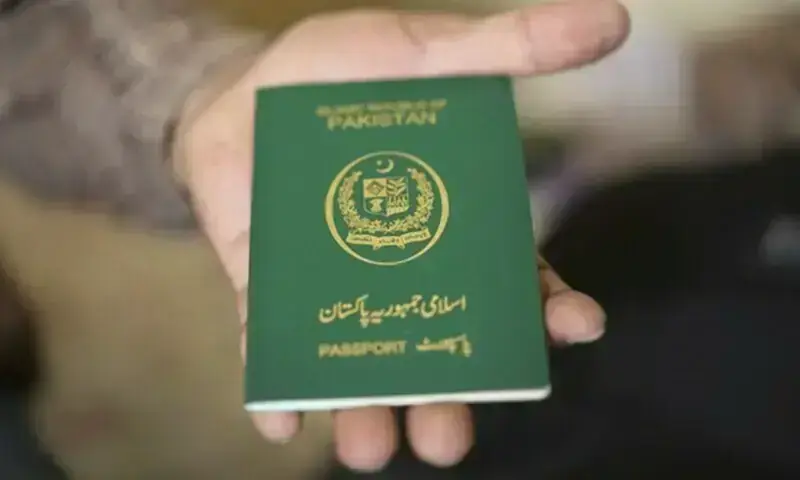
The Pakistani passport has fallen to the 101st position globally, making it the fourth-worst travel document in the world, according to the Henley Passport Index. This ranking is based on the number of destinations passport holders can access without a prior visa or with a visa on arrival. In July, Pakistani passport holders had visa-free access to 29 countries, a decrease from 30 countries in May. The passport has consistently been ranked among the worst since at least January 2021. Currently, only Syria, Iraq, and Afghanistan rank lower than Pakistan. Yemen is positioned one spot higher with access to 30 countries. Singapore leads the index with access to 192 destinations, followed by Japan, South Korea, and the UAE, all tied for second place with 188 destinations. While Pakistan's passport has improved from its 113th ranking in 2021, it has largely remained near the bottom of the index over the past decade. Recent changes include Qatar, Mozambique, and Cape Verde Islands no longer offering visa-free or visa-on-arrival access to Pakistanis. Pakistani citizens currently have visa-free access to countries like Barbados and Rwanda, visa-on-arrival access to the Maldives and Nepal, and can obtain electronic travel authorizations for Kenya and Sri Lanka.
The persistent low ranking of the Pakistani passport reflects a complex interplay of international relations, security perceptions, and reciprocal visa policies. While the index itself is a neutral measure of access, the underlying reasons for such limitations often stem from geopolitical factors and national security considerations by other countries. For Pakistan, improving this ranking would likely necessitate broader diplomatic efforts to enhance international trust and potentially revise its own visa policies to encourage reciprocity. Over the next decade, as global mobility and digital identity solutions evolve, passport rankings may also incorporate new metrics beyond simple visa-free access, potentially influenced by a nation's digital infrastructure and data security standards.
AI-generated to prompt reflection — not editorial opinion, not advice, not a statement of fact. How this works.