Pakistan Pediatric Association Urges Exemption for 10cc Syringes from Ban
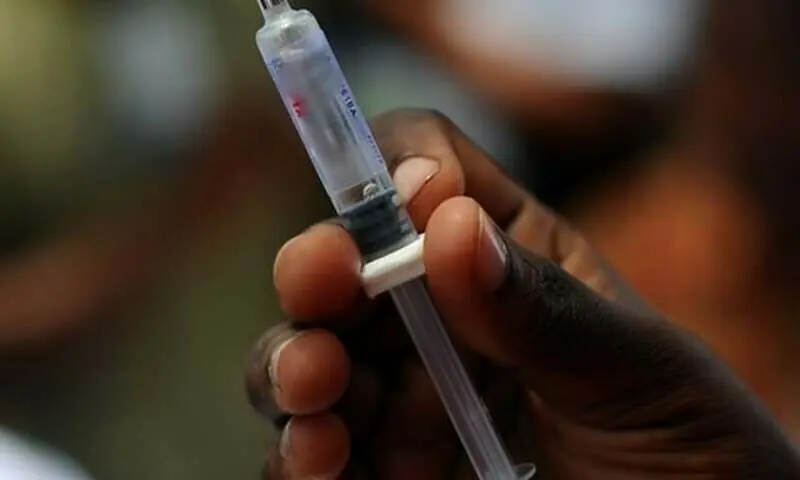
The Pakistan Pediatric Association (PPA) has formally requested the Drug Regulatory Authority of Pakistan (Drap) to exempt 10cc conventional syringes from an upcoming ban, citing critical clinical needs. Drap plans to ban conventional 1cc and 10cc disposable syringes by the end of 2026 and early 2027, respectively, in response to a rise in HIV cases linked to unsafe medical practices, including alleged syringe reuse.
Dr. Muhammad Khalid Shafi of the PPA emphasized that while the ban's intent to prevent syringe reuse is commendable, a blanket prohibition on 10cc syringes poses severe risks to neonatal and pediatric care. He highlighted that these syringes are essential for accurately reconstituting and administering intravenous pediatric medications, administering enteral feeds via tubes to premature infants, and precisely measuring oral liquid formulations for infants.
The PPA argues that a complete ban would create a critical bottleneck, jeopardizing life-saving interventions. They urge Drap to reconsider the scope of the prohibition, basing regulatory decisions on evidence and clinical realities. The association also proposed convening an advisory panel of clinical experts to develop targeted strategies against syringe reuse, ensuring infection control measures do not disrupt essential medical care.
The regulatory decision to ban conventional syringes, while aimed at curbing HIV transmission through reuse, presents a clear trade-off between public health goals and immediate clinical necessity. The PPA's concerns highlight a potential systemic failure to adequately assess the downstream impacts of broad regulatory measures on specialized patient populations. Future policy development could benefit from more granular, evidence-based approaches that involve direct consultation with frontline medical professionals to identify and mitigate unintended consequences. This situation underscores the challenge of balancing public health mandates with the practical, day-to-day requirements of patient care, particularly in vulnerable pediatric and neonatal settings, and suggests a need for more adaptive regulatory frameworks that can accommodate evolving clinical practices and technologies.
AI-generated to prompt reflection — not editorial opinion, not advice, not a statement of fact. How this works.