Pakistan Petrol Pump Owners Divided Over Strike After Government Talks
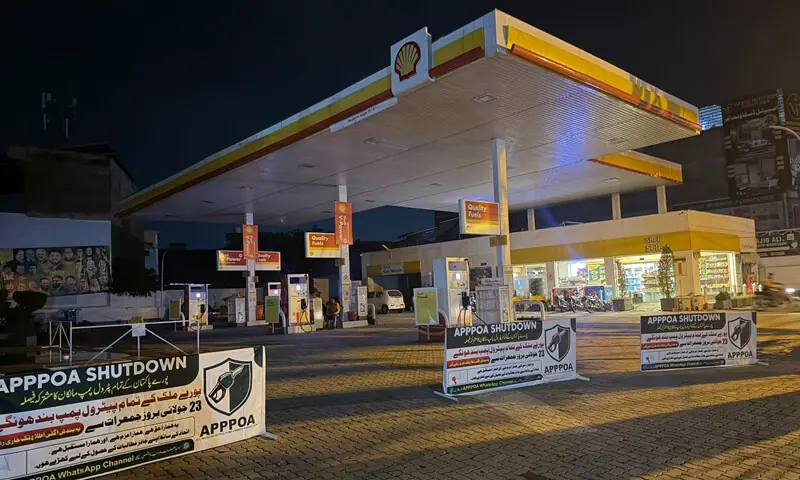
The All Pakistan Petroleum Pump Owners Association (APPPOA) has experienced a split, with one faction agreeing to postpone a nationwide strike for two weeks following government assurances. This group, led by APPPOA Information Secretary Nadeem Aziz Khan, accepted the government's promise to review daily fuel pricing on a trial basis for two weeks and to consult on dealers' margins and other demands. The government, represented by Petroleum Minister Ali Pervaiz Malik, Petroleum Secretary Hamid Yaqoob Shaikh, and OGRA's acting chairman Nabeel Awan, did not commit to specific figures but pledged joint efforts for a fair system. The minister assured that dealers' margins, unchanged since 2022, would be addressed through consultation and a summary submitted to the federal cabinet. OGRA will also publish fuel prices and their breakdown online for transparency. However, APPPOA Chairman Humayun Khan and Vice Chairman Noman Butt, who had initially announced the strike from midnight Wednesday, insisted the talks failed and that their demands were not met. They urged dealers to remain united and continue the strike, stating negotiations were inconclusive. The association had previously announced the shutdown of approximately 15,000 petrol stations nationwide due to failed negotiations over daily petroleum pricing and a demand for an eight percent commission, which would increase their earnings significantly from the current Rs8.64 per litre. They also seek an end to supply quotas imposed by oil marketing companies. The petroleum minister reportedly deemed the demand for a nearly threefold increase in margins to Rs25 per litre unreasonable given the impact on consumers, though a reasonable increase considering inflation was suggested. Meanwhile, the Pakistan Business Forum (PBF) opposed any increase in dealers' margins and urged the government to halt daily fuel pricing, citing existing economic challenges and the potential for severe disruption to the economy and supply chain.
The government's negotiation strategy successfully created a division within the APPPOA, leading to a temporary deferral of the strike. This outcome highlights the effectiveness of targeted concessions and the government's ability to leverage internal disagreements within industry associations. The core issues of dealer margins and pricing mechanisms remain contentious, reflecting a persistent tension between the industry's profitability demands and the government's concern for consumer affordability and economic stability. The government's approach of a trial period for daily pricing and consultation on margins suggests a cautious, phased strategy to address these complex issues, potentially aiming to gather data and build consensus over time. The PBF's opposition underscores the broader economic context, indicating that any price adjustments must be carefully weighed against existing inflationary pressures and the potential for supply chain disruptions, presenting a complex balancing act for policymakers navigating competing stakeholder interests and macroeconomic conditions.
AI-generated to prompt reflection — not editorial opinion, not advice, not a statement of fact. How this works.