Pakistan PM Orders Enhanced Provincial Coordination for Monsoon Preparedness
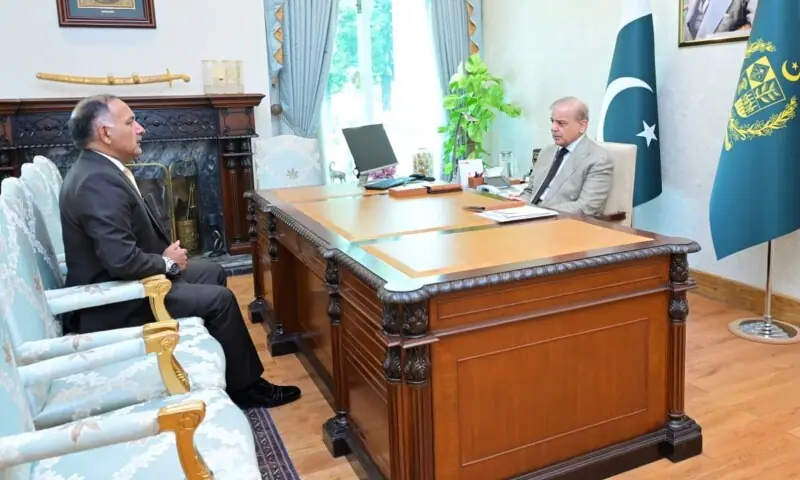
Prime Minister Shehbaz Sharif has instructed the National Disaster Management Authority (NDMA) to bolster coordination with Pakistan's provinces in anticipation of the ongoing monsoon rains. The directive, issued during a meeting with NDMA Chairman Lieutenant General Inam Haider Malik, aims to prevent potential emergency situations. The Prime Minister's Office (PMO) emphasized the need for strengthened collaboration between the NDMA, provincial governments, and Provincial Disaster Management Authorities (PDMAs). During the briefing, the PM was updated on the nation's readiness for monsoon-related emergencies and the progress in fully activating an early warning system. Enhancements in cooperation with the Ministry of Climate Change were also discussed. Monsoon rains, occurring from June to September, are vital for water supplies but can also cause severe flooding and landslides, especially in vulnerable areas. The Pakistan Meteorological Department (PMD) forecasts near-normal rainfall for Gilgit-Baltistan and parts of Azad Jammu and Kashmir, as well as upper Khyber Pakhtunkhwa, during the 2026 season. However, above-normal seasonal temperatures are expected across much of the Hindu Kush-Karakoram-Himalaya region, potentially increasing snow and glacier melt and contributing to higher river flows.
The directive from Prime Minister Sharif highlights a critical governance challenge in disaster management: ensuring effective inter-governmental coordination. While the monsoon season presents predictable risks, the emphasis on "strengthening coordination" suggests potential systemic gaps in communication and resource allocation between national and provincial disaster agencies. The PM's focus on an early warning system and climate change cooperation points towards a forward-looking approach, acknowledging the increasing impact of climate variability. The forecast of warmer temperatures and accelerated meltwater underscores the need for adaptive strategies that go beyond traditional flood response, considering the complex interplay of meteorological and hydrological factors. Future preparedness will likely depend on institutionalizing these collaborative frameworks and integrating climate science more deeply into operational planning.
AI-generated to prompt reflection — not editorial opinion, not advice, not a statement of fact. How this works.