Pakistan PM to Visit Iran and Turkey July 3-5, Attend Khamenei Funeral
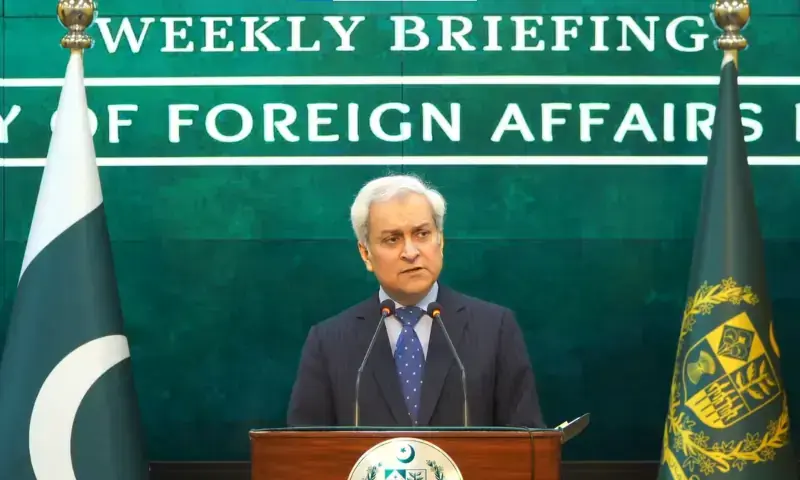
Prime Minister Shehbaz Sharif is scheduled to visit Iran and Turkiye from July 3 to July 5, as confirmed by Foreign Office spokesperson Tahir Andrabi on Thursday. During his trip to Iran, the Prime Minister will attend the funeral of the late Supreme Leader Ayatollah Ali Khamenei, who was reportedly assassinated in US-Israeli strikes on February 28. Andrabi stated that PM Shehbaz would travel to Iran first for the funeral proceedings. He will be accompanied by Deputy Prime Minister and Foreign Minister Ishaq Dar, along with other cabinet members and senior officials. The Prime Minister's objective in Iran is to convey condolences from Pakistan's government and people to the Iranian leadership and the Khamenei family, emphasizing solidarity during this period of grief. Following his visit to Iran, PM Shehbaz will travel to Istanbul at the invitation of Turkish President Recep Tayyip Erdogan. In Turkiye, discussions will focus on strengthening bilateral relations, particularly enhancing trade and investment cooperation. Regional peace and security issues will also be on the agenda. Additionally, PM Shehbaz will address a business conference aimed at highlighting Pakistan's trade and investment opportunities in sectors such as SEZs, energy, IT, and privatization, bringing together Turkish business leaders and officials.
The Prime Minister's upcoming visits to Iran and Turkiye underscore Pakistan's strategic diplomatic engagement with key regional players. The stated purpose of attending the funeral of Ayatollah Ali Khamenei, alongside discussions on bilateral trade and regional security, reflects a multifaceted foreign policy agenda. The emphasis on economic cooperation, particularly in attracting Turkish investment, aligns with Pakistan's broader objectives of economic revitalization. The framing of these visits as reinforcing "brotherly ties" highlights the importance of these relationships in Pakistan's foreign policy calculus, potentially serving to bolster domestic political standing through strong international partnerships. The inclusion of a business conference suggests a deliberate effort to translate diplomatic overtures into tangible economic benefits, a strategy that will be tested by global economic conditions and investor confidence.
AI-generated to prompt reflection — not editorial opinion, not advice, not a statement of fact. How this works.