Pakistan PM Urges Railway Modernization to Boost Regional Trade
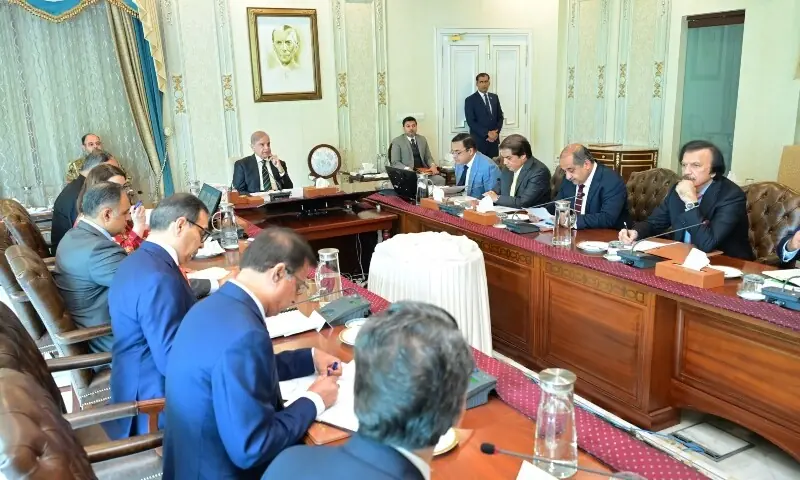
Prime Minister Shehbaz Sharif has emphasized the critical role of modernizing Pakistan Railways' infrastructure in positioning the country as a regional trade and logistics hub. During a review of the Pakistan Railways Transformation Plan, he directed swift upgrades to enhance the railway's efficiency and revenue generation, highlighting its cost-effectiveness for both passengers and freight. A modern railway system is seen as pivotal for strengthening Pakistan's economy, promoting trade, and improving regional connectivity. The Prime Minister stressed the importance of completing all railway development projects on time and to high-quality standards. Specific attention was given to proposals for upgrading the Rohri–Multan section of Main Line-1 (ML-1). Progress on ML-1 and ML-3 upgradation projects, along with the Thar Coal railway connectivity, was reviewed. The Detailed Engineering Design for the Karachi–Rohri section of ML-1 is complete. The ML-3 Rohri–Nok Kundi upgrade will be funded through the Public Sector Development Programme and bridge financing. The Thar Coal Railway Connectivity Project, linking Thar Coal to Chhor Railway Station, is 60% complete and scheduled for completion by December 2026. An international consultant has been engaged to support reforms, and services at railway schools and hospitals have been outsourced, with commercialization efforts underway for six major stations. This initiative follows a strategic roadmap approved last month for comprehensive reforms, including service improvements, digitization, track upgrades, and private sector investment.
The Pakistani Prime Minister's focus on modernizing the national railway infrastructure signals a strategic intent to leverage transportation assets for economic growth and regional integration. This initiative aligns with broader global trends of enhancing logistics networks to facilitate trade and reduce transit costs. The emphasis on public-private partnerships and commercialization of assets suggests an effort to attract private capital and improve operational efficiency, potentially addressing historical underinvestment. The success of these ambitious plans, particularly the ML-1 project, will depend on sustained political will, effective project execution, and securing necessary financing, while navigating potential geopolitical and economic headwinds. The long-term viability hinges on creating a system that is not only efficient but also resilient and adaptable to future technological advancements and evolving trade patterns.
AI-generated to prompt reflection — not editorial opinion, not advice, not a statement of fact. How this works.