Pakistan PM Warns New US-Iran Conflict Could Harm Economy
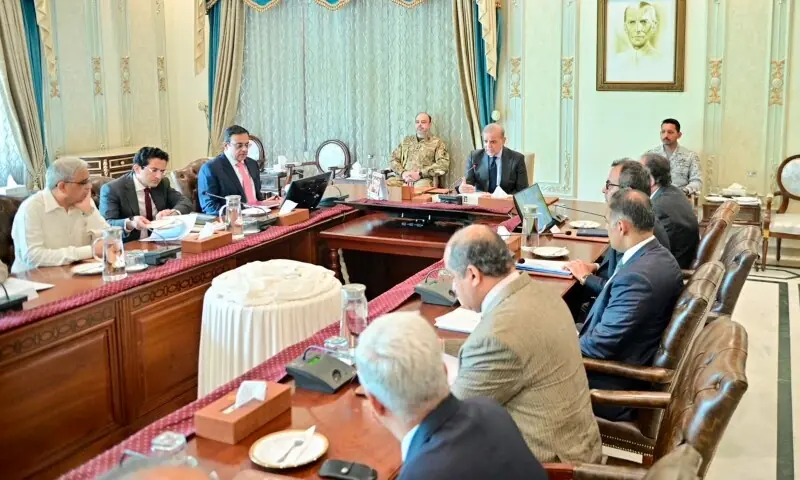
Prime Minister Shehbaz Sharif of Pakistan has issued a warning that renewed tensions between the United States and Iran could negatively impact Pakistan's economy. He made these remarks during a meeting in Islamabad on July 16, 2026, to assess the economic effects of regional instability and review austerity measures. The Prime Minister emphasized the ongoing uncertainty in the Middle East and instructed authorities to be fully prepared for potential challenges. He acknowledged the public's support for past national austerity and conservation efforts, highlighting the current stability of Pakistan's economy. A comprehensive contingency plan was ordered to facilitate prompt responses to any developing situations. PM Sharif also commended the public's engagement with the government's fuel and energy conservation campaign, noting that effective strategies had ensured efficient fuel supply management and protected ordinary citizens, including motorcycle riders and transport operators, through subsidies. He directed strict action against artificial petroleum product shortages in coordination with provincial governments. Attendees included Federal Ministers Ahsan Iqbal, Muhammad Aurangzeb, Ali Pervaiz Malik, and Awais Khan Leghari, along with other senior officials. The meeting was informed that sufficient petroleum reserves are available, with arrangements in place for future uninterrupted supplies.
The Prime Minister's statement highlights the interconnectedness of global geopolitical events and national economies, particularly for import-dependent nations like Pakistan. The warning about potential economic repercussions from US-Iran conflict underscores the vulnerability of Pakistan's energy security and fiscal stability to external shocks. The emphasis on contingency planning and austerity measures reflects a strategy to build resilience against such volatility. Looking ahead, Pakistan's economic policy will likely need to balance immediate responses to geopolitical risks with long-term structural reforms aimed at reducing external dependencies and fostering domestic economic strength. The success of such strategies will depend on effective governance, efficient resource allocation, and sustained public cooperation in conservation efforts.
AI-generated to prompt reflection — not editorial opinion, not advice, not a statement of fact. How this works.