Pakistan Power Companies Request 1.20 Rupee Fuel Cost Hike for August Consumers
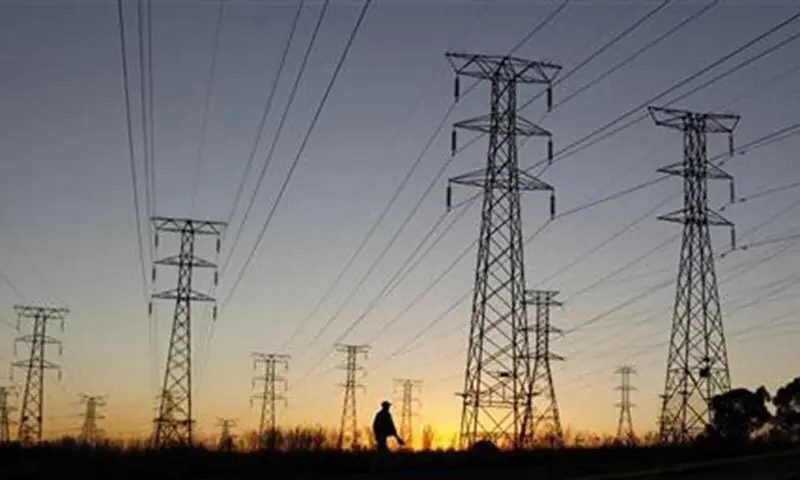
Power companies in Pakistan have requested a fuel cost adjustment (FCA) of Rs1.20 per unit for consumers in August, citing the increased use of expensive imported fuels. This request comes despite a significant portion of electricity generation in June originating from cheaper domestic sources, including those with zero fuel costs. If approved by the National Electric Power Regulatory Authority (Nepra), this adjustment would result in an additional collection of Rs15.7 billion from consumers of all utilities, including ex-Wapda Distribution Companies and K-Electric, via their August bills. The Central Power Purchasing Agency (CPPA) filed the petition, noting a slight decrease in electricity consumption in June compared to the previous year, with 13,066 million units consumed this year versus 13,310 million units in June 2025. The primary driver for the increased fuel costs was a near doubling in the price of Regasified Liquefied Natural Gas (RLNG), pushing the fuel cost to Rs35 per unit from Rs16 per unit in June last year. The CPPA stated that the actual fuel cost of Rs8.90 per unit exceeded the reference fuel cost of Rs7.714 per unit for June 2026. The utilization of furnace oil and diesel-based plants, though contributing less than 1% to the overall grid supply, also contributed to higher costs, with fuel costs at Rs52 per unit for furnace oil and Rs57 per unit for diesel. Hydropower, local coal, local gas, and nuclear power constituted 39%, 10%, 6.5%, and 13.5% of the power supply, respectively, with significantly lower fuel costs compared to imported fuels. This RLNG price increase follows a recent 15% hike notified by the Oil and Gas Regulatory Authority (Ogra), attributed to international spot market purchases amid supply disruptions from the US-Iran conflict.
The proposed fuel cost adjustment reflects the significant impact of global energy market volatility on Pakistan's power sector. The reliance on imported RLNG, particularly at prices driven by international geopolitical events like the US-Iran war, highlights a systemic vulnerability. While domestic energy sources offer cost advantages, the necessity of utilizing more expensive imported fuels, even in smaller proportions, directly translates to increased consumer burden. This situation underscores the ongoing challenge of balancing energy security with affordability, prompting a need for strategic diversification of energy sources and robust long-term procurement strategies to mitigate the effects of external price shocks on the national economy and household budgets.
AI-generated to prompt reflection — not editorial opinion, not advice, not a statement of fact. How this works.