Pakistan Raises Fuel Prices Amid Global Oil Volatility
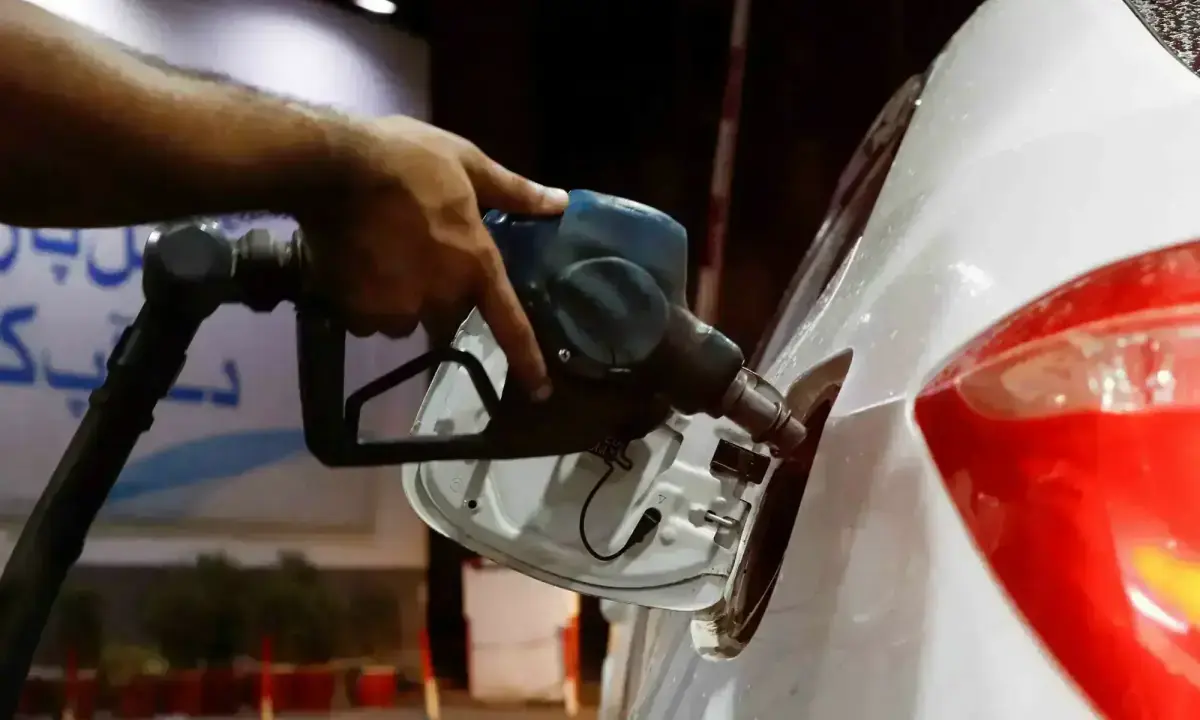
The Pakistani government announced on Thursday, July 24, an increase in the prices of petrol and high-speed diesel (HSD). Petrol will now cost Rs4.40 more per litre, bringing the new price to Rs331.52. High-speed diesel will see a rise of Rs3.62 per litre, setting its new price at Rs378.66. These adjustments are attributed to fluctuating global oil prices, exacerbated by recent hostilities in the Persian Gulf. The government is currently collecting Rs110 per litre in taxes and duties on petrol and Rs96 on diesel. This marks a shift from weekly revisions to potentially daily price adjustments, a decision made by the cabinet and prime minister, granting the Oil and Gas Regulatory Authority (Ogra) the power to set prices based on international market trends. This move follows earlier government measures, including targeted relief and fuel conservation efforts, in response to potential oil supply disruptions from the Middle East conflict. The All Pakistan Dealers Association has rejected the daily pricing mechanism and is considering protest actions. The price hikes are significant for the general populace, as petrol is widely used in private vehicles and two-wheelers, impacting the middle and lower-middle classes, while diesel is crucial for heavy transport, power generation, and large generators. Petrol and HSD are substantial revenue generators, with monthly sales ranging from 700,000 to 800,000 tonnes.
The Pakistani government's decision to increase fuel prices and move towards daily adjustments reflects a pragmatic response to global market volatility, particularly concerning oil supply chains affected by geopolitical tensions in the Persian Gulf. This policy aims to align domestic prices with international benchmarks, thereby mitigating fiscal risks associated with subsidies and ensuring greater market responsiveness. However, the implementation of daily pricing could introduce new challenges, such as increased operational complexity for businesses and potential consumer uncertainty, which may be met with resistance from industry associations and the public, especially given the significant impact on lower and middle-income households. The government's challenge lies in balancing fiscal prudence with social equity, exploring mechanisms to cushion the impact of price fluctuations on vulnerable segments of the population while maintaining a stable energy market. The long-term sustainability of such pricing strategies will hinge on effective communication, transparent governance, and the ability to adapt to evolving global energy dynamics.
AI-generated to prompt reflection — not editorial opinion, not advice, not a statement of fact. How this works.