Pakistan Raises Petrol and Diesel Prices Amid Global Oil Volatility
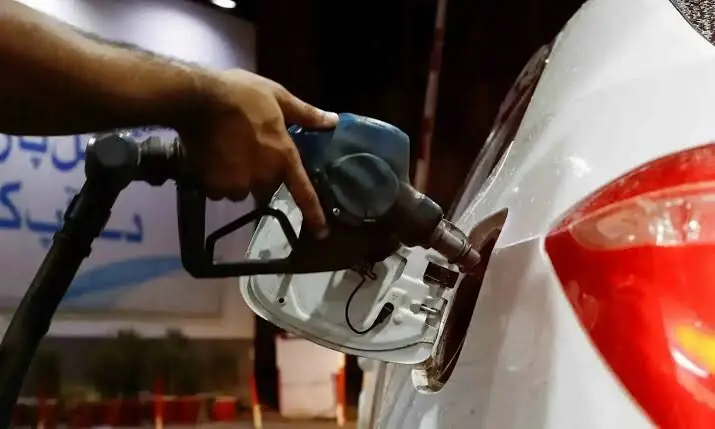
The Pakistani government announced an increase in fuel prices on Tuesday, raising the cost of petrol by Rs1.63 and high-speed diesel (HSD) by Rs1.55 per litre. These adjustments reflect the impact of fluctuating global oil prices, exacerbated by recent hostilities in the Persian Gulf. Following the revision, petrol now costs Rs335.81 per litre, and HSD is priced at Rs388.38 per litre. The government is collecting Rs110 per litre in taxes and duties on petrol and Rs96 on diesel. The new prices became effective on July 29. This move comes as Petroleum Minister Ali Pervaiz Malik stated that fuel prices would now be fixed daily due to international market volatility. Previously, weekly revisions had been in place since early March, coinciding with measures to conserve fuel amid potential Middle East supply disruptions. The government had also introduced targeted relief measures for subsidized fuel in April. The decision to grant the Oil and Gas Regulatory Authority (Ogra) the power to set daily fuel prices based on international trends was reportedly made by the cabinet and prime minister. However, the All Pakistan Dealers Association has rejected the daily pricing mechanism and is considering protest actions. The price changes are significant for the public, as petrol primarily affects private transport and smaller vehicles used by middle and lower-middle-income groups, while diesel impacts the heavy transport sector, power generation, and large generators.
The Pakistani government's decision to adjust fuel prices and move towards daily revisions highlights the persistent challenge of managing energy costs in an import-dependent economy facing global price shocks. The rationale for daily pricing, citing international market fluctuations due to geopolitical events, suggests a strategy to minimize fiscal risk and align domestic prices more closely with global benchmarks. However, this approach transfers price volatility directly to consumers, disproportionately affecting lower and middle-income households reliant on petrol for daily transport. While intended to reflect market realities, the substantial tax component on fuel indicates a significant reliance on petroleum products as a revenue source, potentially creating a tension between fiscal needs and public affordability. The government's past measures, like targeted subsidies and conservation efforts, suggest an ongoing effort to balance these competing demands. The dealers' association's opposition signals potential friction in the implementation of daily pricing, raising questions about market efficiency and stakeholder consensus in navigating energy price volatility.
AI-generated to prompt reflection — not editorial opinion, not advice, not a statement of fact. How this works.