Pakistan Raises Petrol and Diesel Prices Amid Global Volatility
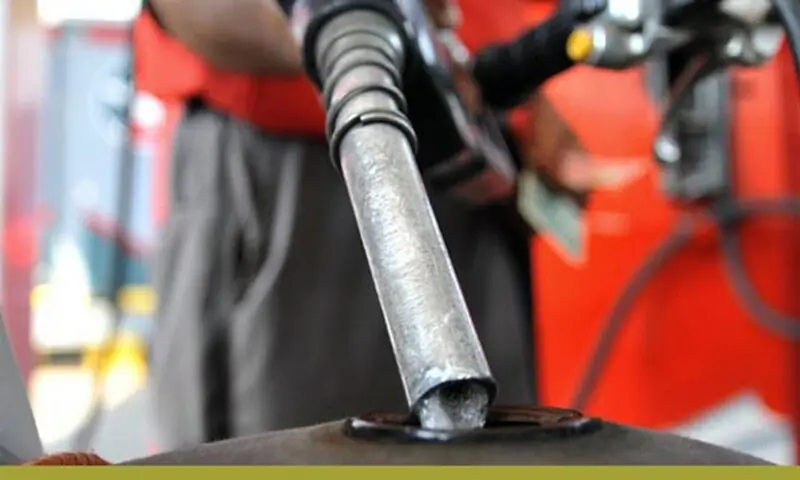
The Pakistani government has increased the price of petrol by Rs6.39 and high-speed diesel (HSD) by Rs7.83 per litre, effective July 23. These adjustments are attributed to fluctuating global oil prices, exacerbated by renewed regional hostilities in the Persian Gulf. Following the revision, petrol now costs Rs327.12 per litre, and HSD is priced at Rs375.04 per litre. This decision comes after the All Pakistan Petroleum Pump Owners Association (APPPOA) deferred a nationwide strike for two weeks, following negotiations with the petroleum minister. Previously, the APPPOA had announced a strike due to failed negotiations over daily petroleum pricing. Diesel prices had previously peaked at Rs520.35 on April 3, having risen from Rs281 after the US-Iran conflict began on February 28. Petrol had reached a high of Rs458.41 on April 3, starting its ascent from Rs266 in early March. Petroleum Minister Ali Pervaiz Malik had announced a shift to daily fuel price adjustments to reflect international market trends. The government had been implementing weekly revisions since March, alongside fuel conservation measures due to potential Middle East supply disruptions. The Oil and Gas Regulatory Authority (Ogra) is now tasked with daily pricing decisions, a move met with rejection by the All Pakistan Dealers Association. The price hikes are expected to significantly impact the middle and lower-middle classes, who rely on petrol for private transport, and the general public, as diesel is crucial for heavy transport, power generation, and large generators. Petrol and HSD are significant revenue generators, with monthly sales ranging from 700,000 to 800,000 tonnes.
The government's decision to adjust fuel prices reflects a direct response to global market dynamics, particularly geopolitical tensions in the Persian Gulf impacting oil prices. This policy aims to align domestic pricing with international volatility, potentially stabilizing government finances by passing on costs rather than absorbing them through subsidies. However, this strategy places immediate financial pressure on consumers, especially lower and middle-income households heavily reliant on these fuels for transportation and energy. The shift towards daily pricing, while responsive to market fluctuations, introduces significant uncertainty for businesses and individuals, necessitating robust risk management strategies. Future policy considerations might involve exploring diversified energy sources and enhancing energy efficiency to mitigate the impact of global price shocks and reduce reliance on imported fossil fuels.
AI-generated to prompt reflection — not editorial opinion, not advice, not a statement of fact. How this works.