Pakistan Raises Petrol and Diesel Prices Significantly
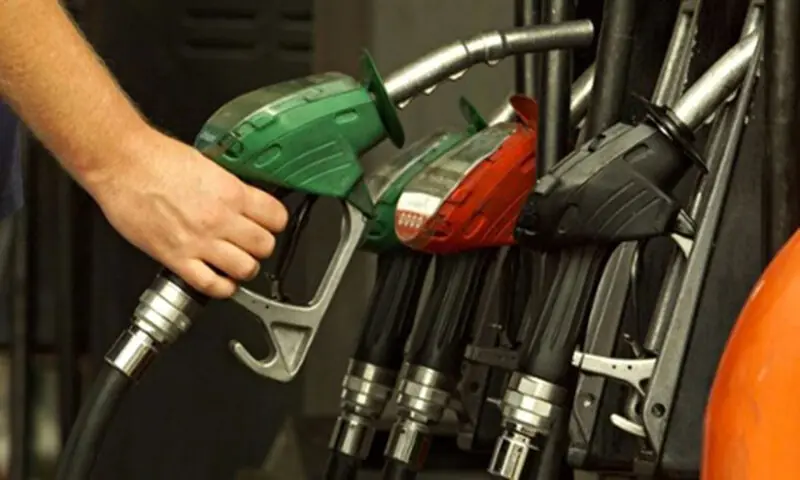
The Pakistani government has announced a substantial increase in fuel prices, raising the cost of petrol by Rs5.44 per litre and high-speed diesel (HSD) by Rs31.05 per litre. Effective from July 18, petrol will now cost Rs316.15 per litre, and HSD will be priced at Rs354.35 per litre. This decision follows Petroleum Minister Ali Pervaiz Malik's announcement that fuel prices will be adjusted daily to reflect international market fluctuations, particularly in light of renewed tensions between Iran and the US. Previously, fuel prices had been revised weekly since early March, accompanied by conservation measures due to potential oil supply disruptions from the Middle East conflict. The government had also implemented targeted subsidies for fuel in April. The Oil and Gas Regulatory Authority (Ogra) has been empowered by the cabinet and prime minister to determine daily fuel prices based on global market trends. Ogra will also publicly disclose the factors influencing these prices. Petrol's price hike directly impacts private transport users and lower-income households, while diesel price changes affect the heavy transport sector, power generation, and large generators. Petrol and HSD are significant revenue generators, with monthly sales ranging from 700,000 to 800,000 tonnes.
This price adjustment reflects a shift towards greater market responsiveness in Pakistan's fuel pricing mechanism, driven by global geopolitical instability and volatile international oil markets. The move to daily price revisions, coupled with increased transparency regarding pricing factors, aims to mitigate the fiscal burden of subsidies and align domestic costs with global benchmarks. However, this policy shift will likely exacerbate inflationary pressures, disproportionately affecting lower and middle-income households reliant on petrol for daily transportation. The government faces a persistent challenge in balancing fiscal sustainability with socio-economic stability, particularly as energy prices become more sensitive to external shocks. Future policy may need to explore more targeted social safety nets or alternative energy solutions to buffer vulnerable populations from global energy market volatility.
AI-generated to prompt reflection — not editorial opinion, not advice, not a statement of fact. How this works.