Pakistan Raises Petrol, Diesel Prices Amid Market Volatility
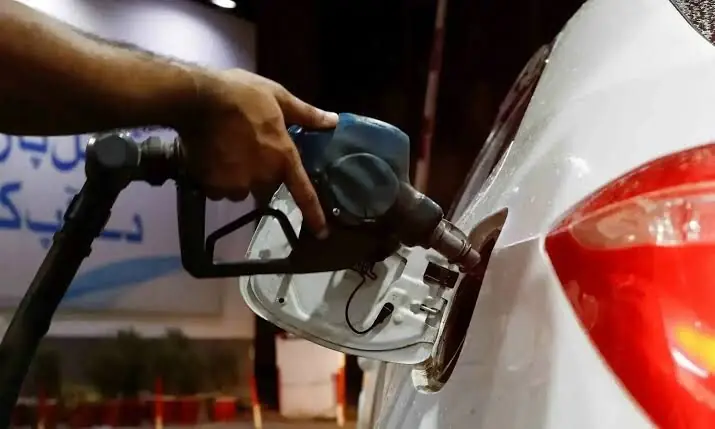
The Pakistani government has increased the price of petrol by Rs1.09 per litre and high-speed diesel (HSD) by Rs2.42 per litre, effective July 31. Following this adjustment, petrol will now be sold at Rs336.15 per litre, and HSD at Rs393.04 per litre. The government continues to impose substantial taxes and duties, amounting to Rs110 per litre on petrol and Rs96 per litre on diesel. These price hikes occur amidst ongoing fluctuations in international oil markets, influenced by renewed hostilities between the US and Iran. The price of diesel had previously peaked at Rs520.35 on April 3, having started its rise from Rs281 per litre after the US-Iran conflict began on February 28. Similarly, petrol reached a high of Rs458.41 on April 3, after beginning its ascent from Rs266 in early March. Petroleum Minister Ali Pervaiz Malik announced that fuel prices are now intended to be fixed daily, a shift from the previous weekly revisions, to better reflect international market dynamics. This daily pricing mechanism, to be managed by the Oil and Gas Regulatory Authority (Ogra), was reportedly decided by the cabinet and prime minister. However, the All Pakistan Dealers Association has rejected this daily pricing decision and is considering protest actions. The price changes significantly impact the general populace, as petrol is primarily used in private vehicles and by lower-income groups, while diesel is crucial for heavy transport, power generation, and industrial use. Petrol and HSD are also significant sources of government revenue, with substantial monthly sales volumes.
The Pakistani government's decision to adjust fuel prices reflects a complex interplay between global market volatility and domestic fiscal pressures. The implementation of daily price revisions, ostensibly to track international market trends, introduces a new layer of operational complexity and potential instability for consumers and businesses. While aiming for market responsiveness, this strategy may exacerbate inflationary pressures, particularly impacting lower and middle-income households reliant on petrol and essential transport services powered by diesel. The government's continued reliance on substantial fuel taxation as a revenue source, alongside its stated efforts to manage supply disruptions, highlights the ongoing challenge of balancing economic stability with energy security in a volatile geopolitical climate. The dealers' association's opposition signals potential downstream friction and underscores the need for transparent communication and stakeholder engagement in managing these critical price adjustments.
AI-generated to prompt reflection — not editorial opinion, not advice, not a statement of fact. How this works.