Pakistan Regulator Grants Private Firm Electricity Distribution and Supply Licenses
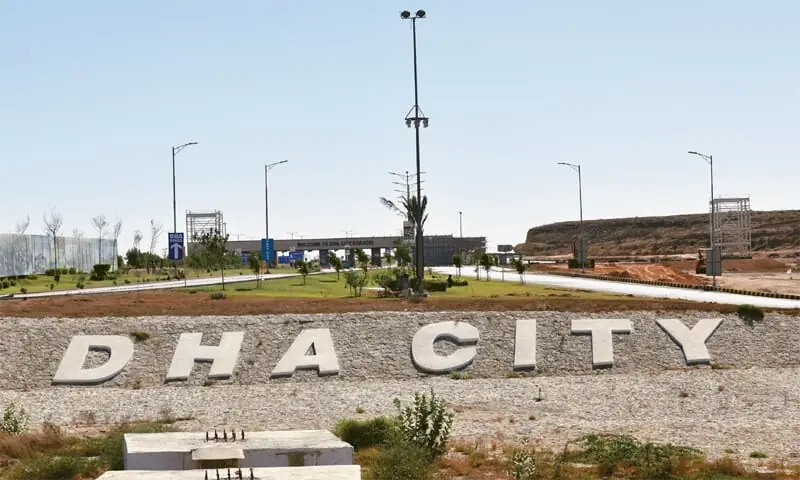
The National Electric Power Regulatory Authority (Nepra) in Pakistan has granted DHA City, a private entity, two crucial licenses for electricity distribution and supplier of last resort (SoLR). This marks the first instance under Nepra's revised competitive trading bilateral contract market (CTBCM) regime where a private company, through its subsidiary DHA Energy Supply Company (Desco), will manage both aspects of electricity supply. Desco's initial operational area will be DHA City Karachi (DHACK), located approximately 56 kilometers from Karachi city in the Malir district. Currently, Desco has no direct connection to the national grid or K-Electric's network. Instead, it has arranged to procure six megawatts (MW) of electricity from Lucky Cement Limited to supply residential, commercial, and other consumers within DHACK. Nepra overruled objections from state-owned entities like the Central Power Purchasing Agency (CPPA), Gujranwala Electric Supply Company (Gepco), and K-Electric, who questioned Desco's financial health and technical capabilities. The regulator cited amendments to the Nepra Act aimed at liberalizing the power sector, including reforms to the distribution and supply segments. While Desco is a new company without an established track record, Nepra acknowledged the strong financial backing of its parent company, DHA Karachi, which will support Desco's operations. The regulator also noted that it is common practice for new companies to start with minimum capital, with plans to increase paid-up capital as operations commence. Nepra expects Desco's financial standing to improve once it begins its distribution and supply business, and the company will be legally obligated to adhere to all operational standards.
This development signifies a significant shift in Pakistan's power sector, moving towards greater liberalization and private sector participation in distribution and supply. By granting parallel licenses, Nepra is fostering a competitive environment, potentially challenging the established utility models like K-Electric. The regulator's decision to override objections from incumbent state-owned entities suggests a commitment to the new CTBCM framework, prioritizing market reforms over protection of legacy players. However, the reliance on a third-party power source (Lucky Cement) and the parent company's financial guarantees for the new entity highlight the nascent stage of this private venture. Future success will hinge on Desco's ability to efficiently manage its supply chain, ensure grid stability, and meet regulatory standards, while also demonstrating long-term financial viability independent of its parent's support. This model could serve as a blueprint for other private developments, but its scalability and impact on overall energy security and consumer tariffs will require careful monitoring over the next decade.
AI-generated to prompt reflection — not editorial opinion, not advice, not a statement of fact. How this works.