Pakistan's 2007 Lawyers' Movement: What Drove Its Success and Why It's Absent Today
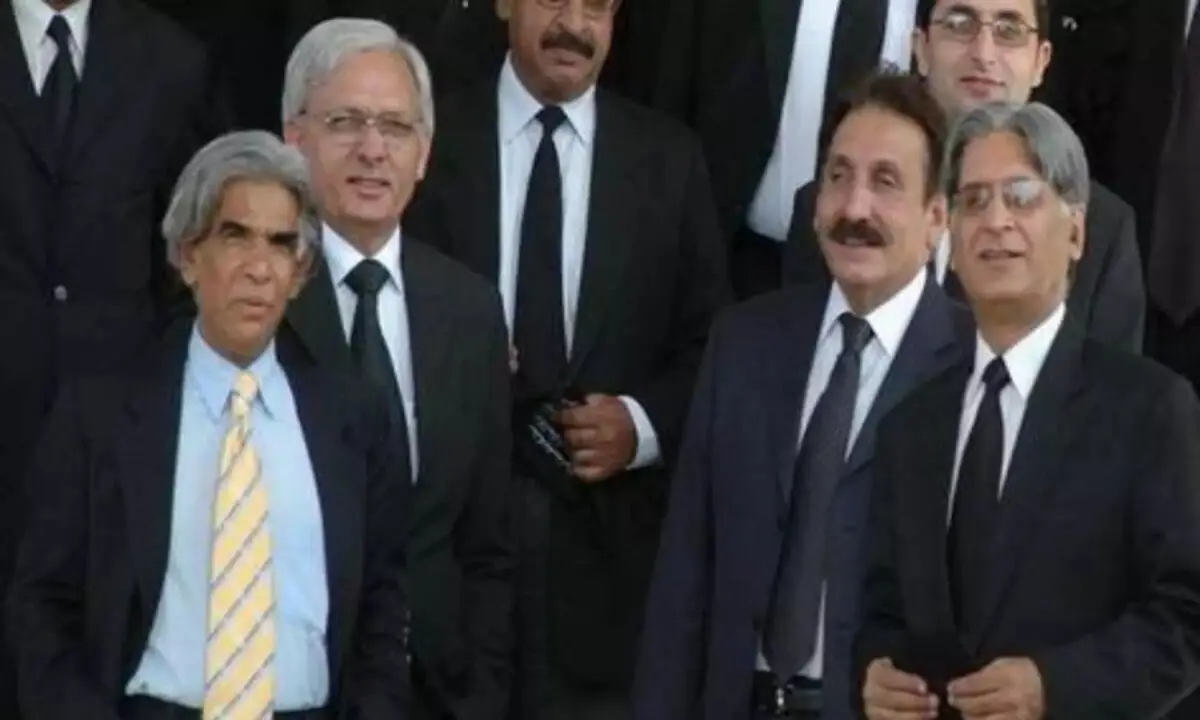
The 2007-2009 Lawyers' Movement in Pakistan stands as a pivotal moment of civic action, initially sparked by the suspension of the chief justice. This dispute escalated into a national campaign against General Pervez Musharraf's authoritarian rule, ultimately leading to the reinstatement of judges and the restoration of the Constitution. The movement's profound impact lay in its ability to frame a constitutional crisis as a compelling national narrative, a factor crucial to understanding its success and its current absence. A key catalyst was the unprecedented live, continuous coverage by private television channels, which transformed legal and political developments into a visible, shared national conversation. Prominent lawyers openly challenged Musharraf's authority on air, making millions of Pakistanis witnesses to criticisms of powerful institutions in real-time. This media environment amplified grievances, making them emotionally resonant and turning isolated protests into a national cause. Images of police actions against lawyers and Musharraf's defiant reactions were broadcast into homes, creating a moral drama that transcended the initial constitutional dispute. The movement also benefited from a broader political context of public fatigue with Musharraf's decade-long rule and the eventual alignment of major political parties on the shared demand for democracy and judicial restoration. This convergence transformed a professional protest into a broad constitutional movement, facilitated by mass mobilization and further solidified by the alienation of Musharraf's remaining supporters after violent incidents like the May 12, 2007 events. The current political landscape, however, presents a stark contrast. Most political parties are perceived to have compromised with existing power structures, diminishing their capacity for independent mobilization. The principal opposition party faces significant constraints, including leadership incarceration and organizational fragmentation, hindering its role as a unifying force. Unlike the past, there is no unified political front capable of supporting a nationwide constitutional movement, and recent legal changes are seen as strengthening state apparatus. The organized bar, with its strong institutional identity rooted in constitutionalism, played a critical role, but the establishment had not previously perceived it as a significant political threat. Today, the conditions that fueled the 2007 movement—unprecedented media amplification, broad political consensus, and a unified, empowered legal profession—are largely absent, explaining the lack of a comparable civic mobilization.
The 2007-2009 Lawyers' Movement in Pakistan highlights the critical interplay between media amplification, political consensus, and institutional identity in driving significant civic change. The event demonstrates how real-time, widespread media coverage can transform niche grievances into national imperatives by fostering shared understanding and emotional resonance. The subsequent absence of a comparable movement suggests a shift in the media landscape, political alignments, or the institutional capacity of key actors, potentially indicating a more fragmented public sphere or a diminished appetite for collective action against established power structures. Future analysis should consider how evolving digital media platforms and changing geopolitical influences might shape the dynamics of civic mobilization and constitutional advocacy in Pakistan, examining the potential for both new forms of collective action and increased challenges to unified dissent.
AI-generated to prompt reflection — not editorial opinion, not advice, not a statement of fact. How this works.