Pakistan's 2024 Agriculture Census Highlights Land Fragmentation and Shift to Groundwater Irrigation
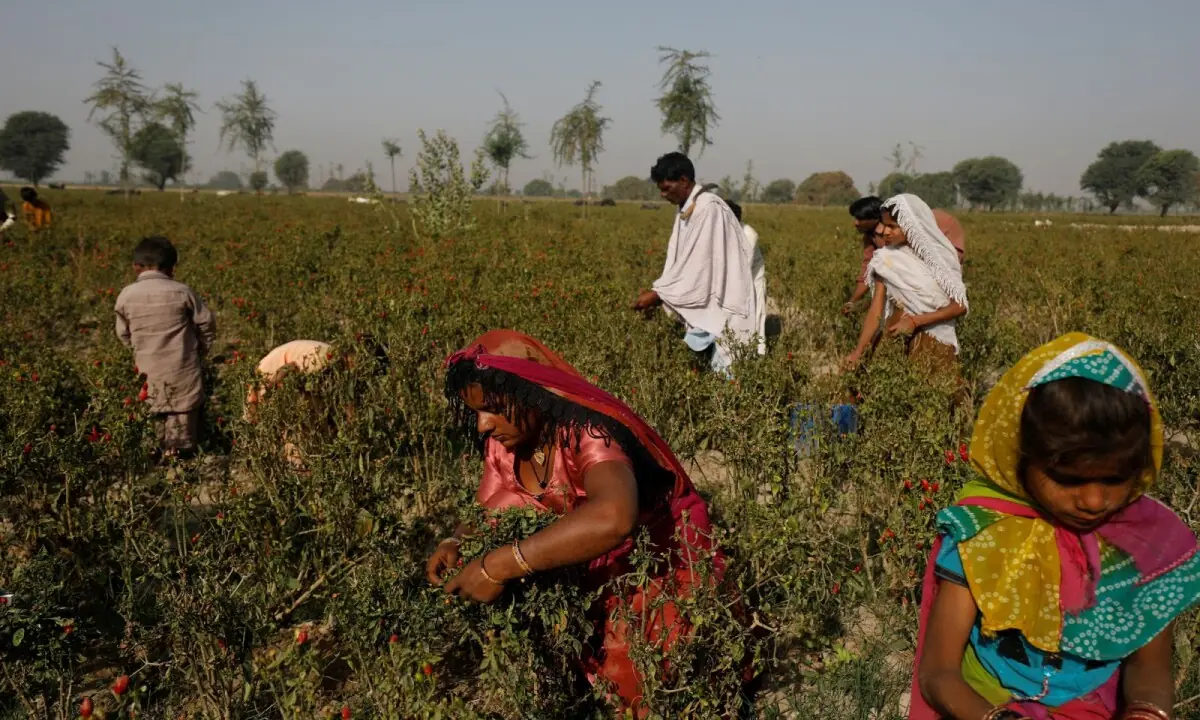
Pakistan's seventh Agricultural Census, conducted between September 2024 and February 2025, reveals significant shifts in the nation's farming landscape. This census, the first to digitally integrate agriculture, livestock, and farm machinery, employed a sample-based approach using tablets and GIS mapping to generate district-level estimates. A key finding is the substantial increase in farm fragmentation, with the total number of farms rising by 34% to 11.1 million since 2010, while the average farm size decreased from 6.4 to 5.3 acres. The number of fragmented farms grew significantly, with each fragmented holding now averaging seven separate parcels, up from three in 2010. This fragmentation complicates farming operations, increases costs, and exacerbates land disputes, with inheritance laws contributing to the issue by dividing land titles among heirs, often excluding women from their rightful shares. The census also documents a major transition in irrigation, with the total irrigated area increasing to 45.9 million acres. While canal irrigation saw a modest rise, its share of the total decreased. Crucially, tubewell-only irrigation more than doubled its share to 31%, driven by a surge in solar-powered pumps. Solar now powers approximately half of Pakistan's 1.83 million tubewells and lift pumps, surpassing diesel and electricity combined, marking a significant technological shift in agriculture.
Pakistan's 2024 Agricultural Census provides critical data revealing systemic challenges and emergent trends within its agrarian economy. The intensification of land fragmentation, exacerbated by inheritance practices that often disenfranchise women, highlights a governance gap in land management and property rights enforcement. This fragmentation hinders economies of scale, impacting productivity and the adoption of modern machinery. Concurrently, the rapid, largely uncoordinated shift towards solar-powered groundwater irrigation signifies a profound decentralization of water control, granting farmers greater autonomy but potentially leading to unsustainable aquifer depletion and increased salinity. This transition, driven by the cost-effectiveness of solar power relative to unreliable grid electricity and rising diesel prices, presents a complex trade-off between individual farmer benefit and collective long-term environmental sustainability. The census data underscores the urgent need for policy frameworks that reconcile private agricultural autonomy with robust groundwater management, equitable land distribution, and institutional support for cooperative farming models to ensure future food security and resource stability.
AI-generated to prompt reflection — not editorial opinion, not advice, not a statement of fact. How this works.