Pakistan's Current Account Shifts to $139M Deficit in FY26 Amidst Global Instability
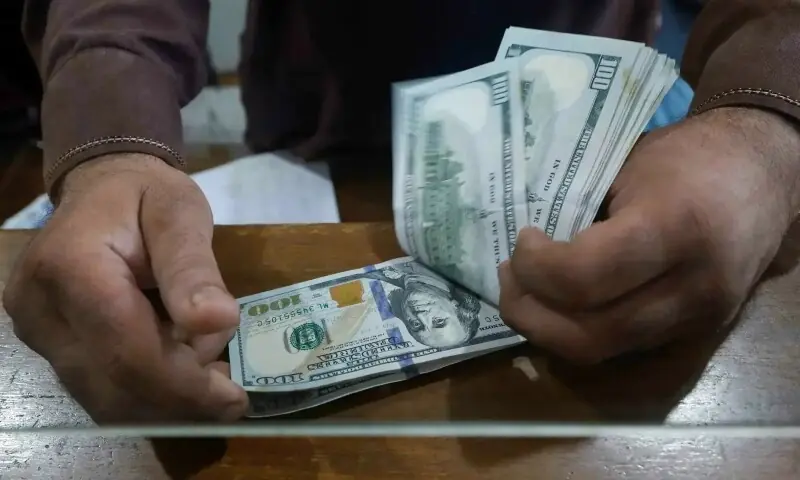
Pakistan concluded the fiscal year 2025-26 with a current account deficit of $139 million, a significant reversal from the $1.838 billion surplus recorded in the previous fiscal year, according to the State Bank of Pakistan. This shift was largely influenced by disruptions stemming from a renewed Gulf war, which impacted oil prices and the broader economy. Despite the annual deficit, the situation was somewhat mitigated by strong remittance inflows, which increased by approximately $3.3 billion to reach $41.585 billion in FY26 from $38.3 billion in FY25. However, the monthly figures reveal a more volatile trend, with June 2026 experiencing a $649 million deficit, contrasting with a $500 million surplus in May 2026 and a $220 million surplus in June 2025. The economy's reliance on remittances became evident as export growth proved insufficient to offset import pressures, leading to a trade deficit exceeding $35.5 billion for FY26. Goods exports saw a decline to $30.843 billion from $32.434 billion, though services exports rose to $10.034 billion, resulting in a marginal overall increase in total exports to $40.877 billion. The current account faced pressure throughout the year, with three of the four quarters registering deficits, offset by a substantial surplus in the third quarter. Looking ahead to FY27, the ongoing Gulf conflict poses further risks, potentially increasing oil import costs for Pakistan, which relies on imports for about 70% of its fuel needs. Compounding these economic challenges, foreign direct investment (FDI) saw a substantial decline of 34% in FY26, falling to $1.637 billion from $2.477 billion in FY25. China remained the primary source of FDI, though inflows from both China and the Middle East decreased compared to the prior year.
The reported shift in Pakistan's current account balance from surplus to deficit in FY26, alongside a significant drop in FDI, highlights the nation's vulnerability to external economic shocks and geopolitical instability. The economy's heavy reliance on remittances and the insufficient growth in exports underscore structural challenges in diversifying revenue streams and boosting competitiveness. The ongoing Gulf conflict introduces a critical risk factor, potentially escalating the import bill for essential commodities like oil, which constitutes a substantial portion of Pakistan's energy needs. This situation necessitates a strategic re-evaluation of trade policies and energy security measures to mitigate future economic pressures. The decline in FDI, particularly from key partners like China, suggests a need to address underlying investment climate concerns and enhance investor confidence amidst a complex global landscape. Future policy interventions should aim to foster sustainable export growth, attract stable long-term investment, and build greater resilience against external shocks to ensure macroeconomic stability.
AI-generated to prompt reflection — not editorial opinion, not advice, not a statement of fact. How this works.