Pakistan's Deputy PM to Attend Shanghai AI Governance Body Signing
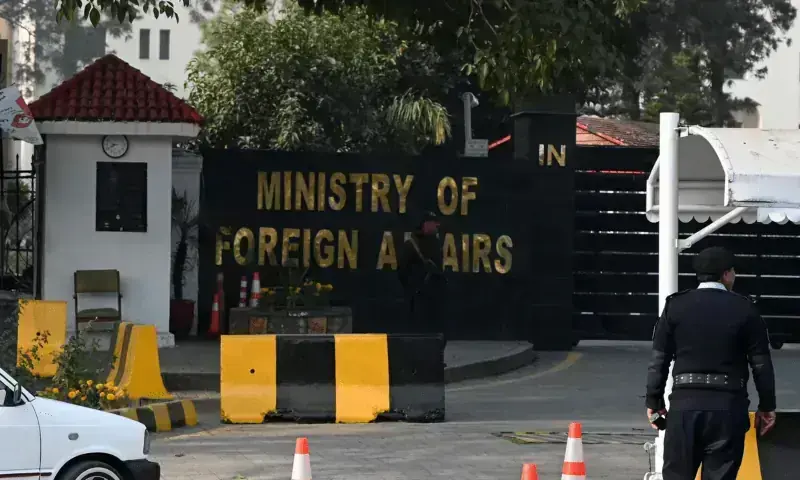
Pakistan's Deputy Prime Minister and Foreign Minister, Ishaq Dar, is scheduled to visit Shanghai from July 16-17 to participate in the signing ceremony for the World Artificial Intelligence Cooperation Organisation (WAICO). This organization is a China-led initiative aimed at fostering international collaboration in artificial intelligence. Dar will attend the ceremony and sign the agreement on behalf of Pakistan, which is a founding member of WAICO. His visit, extended at the invitation of Chinese Foreign Minister Wang Yi, will also include participation in the opening ceremony of the 2026 World Artificial Intelligence Conference (WAIC) and a High-Level Meeting on Global AI Governance on July 17, 2026. During his trip, Dar plans to hold bilateral discussions with his Chinese counterpart and other officials on topics of mutual interest. He intends to articulate Pakistan's viewpoint on enhancing international AI cooperation, focusing on the specific needs and development priorities of the Global South. Key themes will include reducing the global AI disparity, ensuring fair access to AI technologies, building capacity, and aligning AI benefits with sustainable development and universal prosperity. This engagement follows Pakistan's endorsement of China's WAICO initiative during Prime Minister Shehbaz Sharif's visit to China in May, where Islamabad pledged to collaborate with Beijing on advancing global AI governance and cooperation.
AI governance initiatives, particularly those led by major global powers like China, represent a critical juncture in the development and deployment of artificial intelligence. Pakistan's participation as a founding member in the World Artificial Intelligence Cooperation Organisation (WAICO) signals a strategic alignment with China's vision for AI collaboration. The emphasis on bridging the AI divide and supporting the Global South highlights a potential shift in global AI discourse, moving beyond purely developed-nation-centric frameworks. However, the long-term implications of such China-led bodies will depend on their ability to foster genuine multilateralism, ensure transparency, and balance national interests with global public good. The coming decade will likely see increased competition and cooperation in AI governance, with emerging frameworks needing to address issues of data sovereignty, ethical AI development, and equitable access to technological advancements to ensure AI truly benefits all.
AI-generated to prompt reflection — not editorial opinion, not advice, not a statement of fact. How this works.