Pakistan's Dual Policy in Kashmir and PoK Sparks Violence and Public Outcry
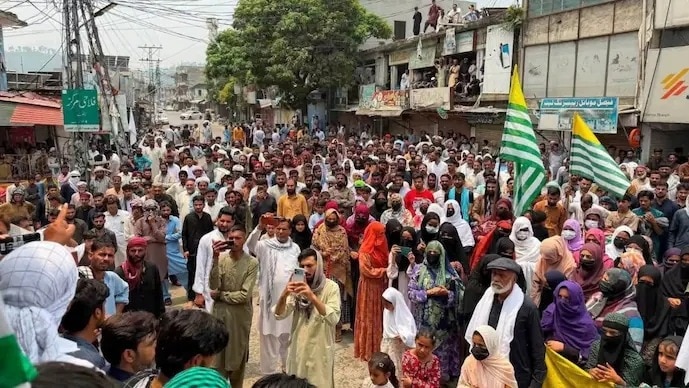
For decades, Pakistan has been sending terrorists and infiltrators into Jammu and Kashmir, resulting in the bloodshed of innocent civilians, laborers, and soldiers. Simultaneously, when the population of Pakistan-occupied Kashmir (PoK) takes to the streets to protest their dire conditions, including inflation, power outages, and the denial of basic rights, the Pakistani government and its military respond with gunfire. This dual approach highlights a significant disparity in how Pakistan addresses internal dissent versus its actions in the disputed Kashmir region. The people in both areas are suffering due to these policies, leading to widespread unrest and a desire for change.
The situation in Jammu and Kashmir and Pakistan-occupied Kashmir (PoK) reveals a complex geopolitical dynamic where state actions appear to fuel instability. Pakistan's alleged support for cross-border militancy in Jammu and Kashmir, juxtaposed with its forceful suppression of internal protests in PoK, suggests a strategy aimed at maintaining control through disparate means. This approach raises questions about governance models and the long-term sustainability of policies that appear to prioritize territorial claims over the welfare and rights of the populace. Examining the incentive structures driving these actions, particularly in the context of regional security and international relations, is crucial for understanding the cycle of conflict and dissent. Future developments may hinge on shifts in regional power balances and the evolving demands for self-determination and improved living standards among affected populations.
AI-generated to prompt reflection — not editorial opinion, not advice, not a statement of fact. How this works.