Pakistan's E-Bike Rollout Faces Regulatory Gaps and Substandard Battery Issues
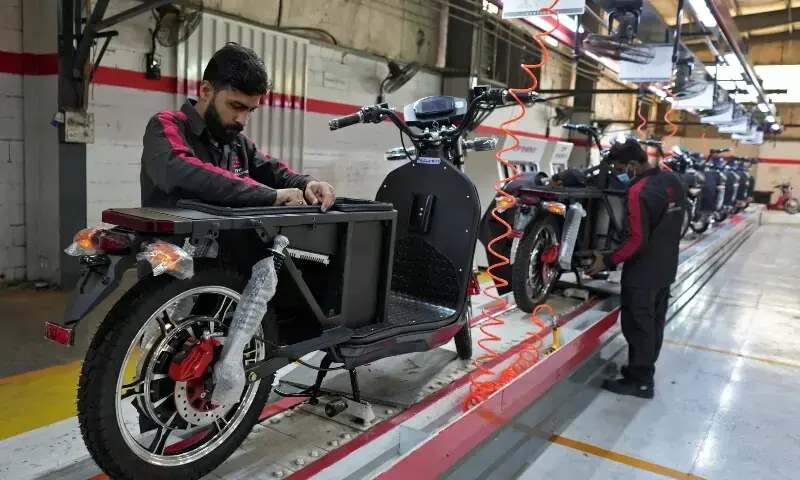
A National Assembly sub-committee in Pakistan has identified significant hurdles to the widespread adoption of electric motorcycles. During a meeting on Monday, July 14th, 2026, legislators were informed that the country lacks a dedicated regulatory authority for e-motorcycles, leading to a fragmented oversight structure involving multiple ministries and departments. Manufacturing licenses are handled by the Engineering Development Board (EDB), quality standards by the Pakistan Standards and Quality Control Authority (PSQCA), and charging infrastructure by the National Energy Efficiency and Conservation Authority (NEECA). Provincial authorities also regulate vehicles on roads, further complicating the landscape.
The absence of a comprehensive policy for lithium batteries has contributed to the prevalence of substandard batteries, with some manufacturers using cheaper lead-acid alternatives or installing low-quality lithium-ion batteries that degrade quickly. These replacement batteries can cost up to Rs90,000. High import duties on lithium-ion batteries have also fueled a grey market for refurbished cells imported as scrap, often by unlicensed operators. Manufacturers expressed concerns about the lack of a forum to report illegal battery operations and the absence of mechanisms to promote local component manufacturing.
Stakeholders broadly agreed on the need for the PSQCA to enhance its technical capabilities and establish dedicated lithium battery testing facilities. The committee convener, Dr. Mehreen Bhutto, emphasized the unique safety risks associated with electric two-wheelers compared to conventional motorcycles, particularly if batteries or components fail. The EDB CEO indicated that a new battery policy is under finalization, which is expected to address many of the concerns raised.
The Pakistani government's push to transition to electric two-wheelers is commendable for its environmental and energy security objectives. However, the identified regulatory fragmentation and the proliferation of substandard batteries highlight a critical governance challenge. Without a clear, centralized regulatory framework and robust quality control for essential components like lithium-ion batteries, the initiative risks undermining public trust and safety. This situation creates an uneven playing field, potentially stifling legitimate manufacturers and fostering a market where cost-saving measures compromise durability and safety. The reliance on imported batteries and scrap materials also presents supply chain vulnerabilities and environmental concerns regarding battery disposal. Moving forward, establishing clear technical standards, investing in local testing infrastructure, and developing a supportive policy environment for localization will be crucial for sustainable growth and consumer confidence in Pakistan's electric mobility sector.
AI-generated to prompt reflection — not editorial opinion, not advice, not a statement of fact. How this works.