Pakistan's Evolving Labor Landscape: From Old Guard to New Challenges
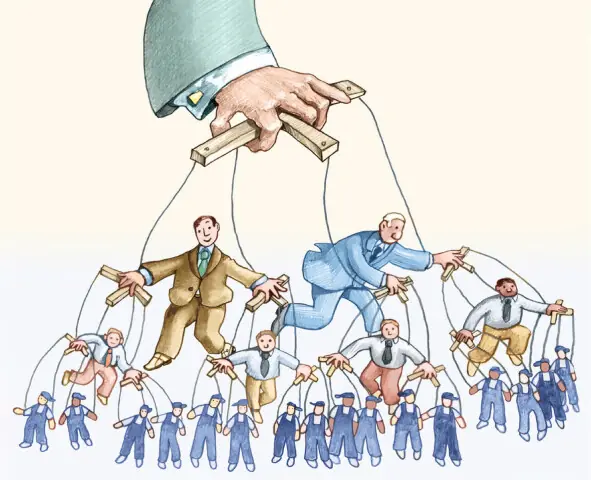
The landscape of labor relations in Pakistan has undergone a significant transformation, moving away from the era of charismatic but often self-serving labor leaders who relied on demagoguery. These older leaders, characterized by narcissism over pragmatism, have largely disappeared, leaving a void and a decline in union membership, with registered unions now present in only about one percent of enterprises. A new generation of labor leaders has emerged, facing the arduous task of revitalizing worker movements and encouraging union formation. While they have achieved some success in the public sector, organizing within individual private enterprises remains a substantial challenge. The Pakistan United Workers Federation (PUWF), formed by ten moderate federations, stands as the largest entity, representing over one million workers across 637 unions, with the National Labour Federation and Pakistan Central Mines Workers Federation also being significant players. However, many federations struggle to gain the critical mass needed to influence policy. Some labor leaders remain focused on outdated issues like appointment letters, while overlooking the more pressing concern of minimum wage non-compliance, which affects a large number of workers. The minimum wage provides a crucial safety net, but setting wages for skilled and semi-skilled workers is better managed through market dynamics and collective bargaining rather than government mandates. The practice of third-party employment, or outsourcing, is also a point of contention, as it can be used to bypass labor laws, preventing these workers from joining enterprise unions. Conversely, some leaders exploit foreign connections to pressure brands into ceasing business with Pakistani companies, negatively impacting national image and exports. The article concludes by urging labor leaders to adapt to the globalized, technologically advanced, and heavily taxed economic environment by collaborating with employers to advocate for rationalization of taxes and policies that encourage industrialization, echoing Bob Dylan's message of adapting to changing times.
The Pakistani labor sector is navigating a complex transition, marked by the decline of traditional union leadership and the emergence of new challenges in a globalized economy. The shift from charismatic, demagoguery-driven leadership to a more pragmatic approach reflects broader global trends in industrial relations. However, the persistent issues of minimum wage adherence and the strategic use of third-party employment highlight systemic challenges in ensuring worker protections and fair labor practices. The article points to a disconnect between the concerns of some labor leaders and the realities of modern market dynamics, particularly regarding skilled labor wages. Furthermore, the external pressure exerted by some labor advocates on foreign brands illustrates the intricate interplay between domestic labor issues, international trade, and national economic interests. Future labor strategies in Pakistan will likely need to balance the protection of workers' rights with the imperatives of economic competitiveness, industrial growth, and adapting to technological advancements.
AI-generated to prompt reflection — not editorial opinion, not advice, not a statement of fact. How this works.
