Pakistan's FBR Proposes Voluntary Tax Scheme for Small Traders
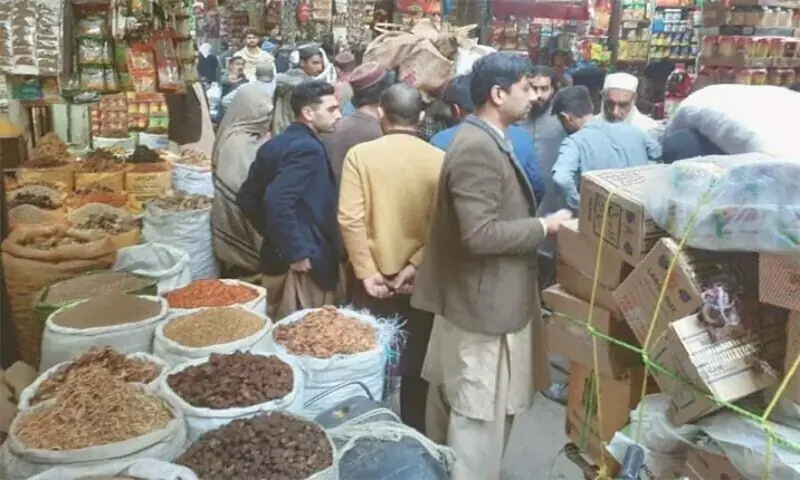
The Federal Board of Revenue (FBR) in Pakistan has introduced a draft proposal for a simplified, voluntary income tax regime aimed at bringing approximately 3.5 million small shopkeepers and traders with annual turnovers up to Rs200 million into the tax net by 2026-27. This initiative seeks to broaden the nation's narrow tax base by offering significant concessions to eligible retailers. Participants in this special procedure would have the option to pay a flat income tax rate of one percent of their gross turnover, instead of adhering to the complex normal taxation regime, which includes routine audits, withholding tax obligations, and mandatory digital invoicing. A minimum cash tax of Rs25,000 would be required, even if taxes already deducted at source exceed this amount, with no refunds for excess withholding tax. The scheme is optional, and retailers can choose to remain under the existing tax laws if they prefer. Registration can be completed via the FBR's IRIS portal, a dedicated mobile app, or at tax offices. However, the proposal excludes retailers with turnovers exceeding Rs200 million in the past three years, those owning multiple shops, tier-I retailers, jewelers, and certain professionals like doctors and lawyers. Retailers who filed taxes in 2025 can only opt in if their tax liability hasn't decreased and they haven't restructured their businesses to qualify. To incentivize participation, retailers joining the scheme would generally be exempt from routine tax audits. Departmental proceedings would require consultation with trade associations and would only be initiated based on third-party information regarding significant transactions, asset ownership, or suspected tax avoidance. Furthermore, participants would be freed from withholding tax obligations on purchases and would not be subject to minimum tax provisions under Sections 113 and 1.25 percent of the normal regime. They would also be relieved of the requirement to install point-of-sale systems or digital invoicing infrastructure. The simplified tax return would require declarations of annual sales, purchases, expenses, net profit, other income, and assets, available in Urdu and regional languages. To further encourage compliance and visibility, qualifying retailers will receive a "Green Plate" with a QR code and their business details, which would offer protection from tax officials entering their premises for tax-related matters. Penalties for non-compliance are also outlined, with escalating fines for those who neither file a regular return nor opt for the simplified regime.
This FBR proposal represents a strategic effort to formalize a significant segment of Pakistan's informal economy by leveraging incentives rather than solely enforcement. By offering exemptions from audits, digital invoicing, and complex return filings, the FBR aims to reduce the compliance burden for small businesses, potentially increasing tax revenue collection. The 'Green Plate' system offers a visible marker of compliance, potentially fostering a sense of legitimacy and deterring informal practices. However, the success of this voluntary scheme hinges on perceived fairness and the actual administrative ease it provides. Future considerations should include monitoring the program's impact on tax revenue, ensuring that the Rs200 million turnover threshold accurately captures the intended group, and assessing whether the one percent gross turnover tax is equitable compared to the effective rates paid by larger businesses. The long-term challenge will be to gradually integrate these businesses into more comprehensive tax frameworks as their operations grow, preventing a permanent bifurcation of the tax system.
AI-generated to prompt reflection — not editorial opinion, not advice, not a statement of fact. How this works.