Pakistan's Free Speech Crisis: Systemic Issues, Not Just Regime Change, Need Addressing
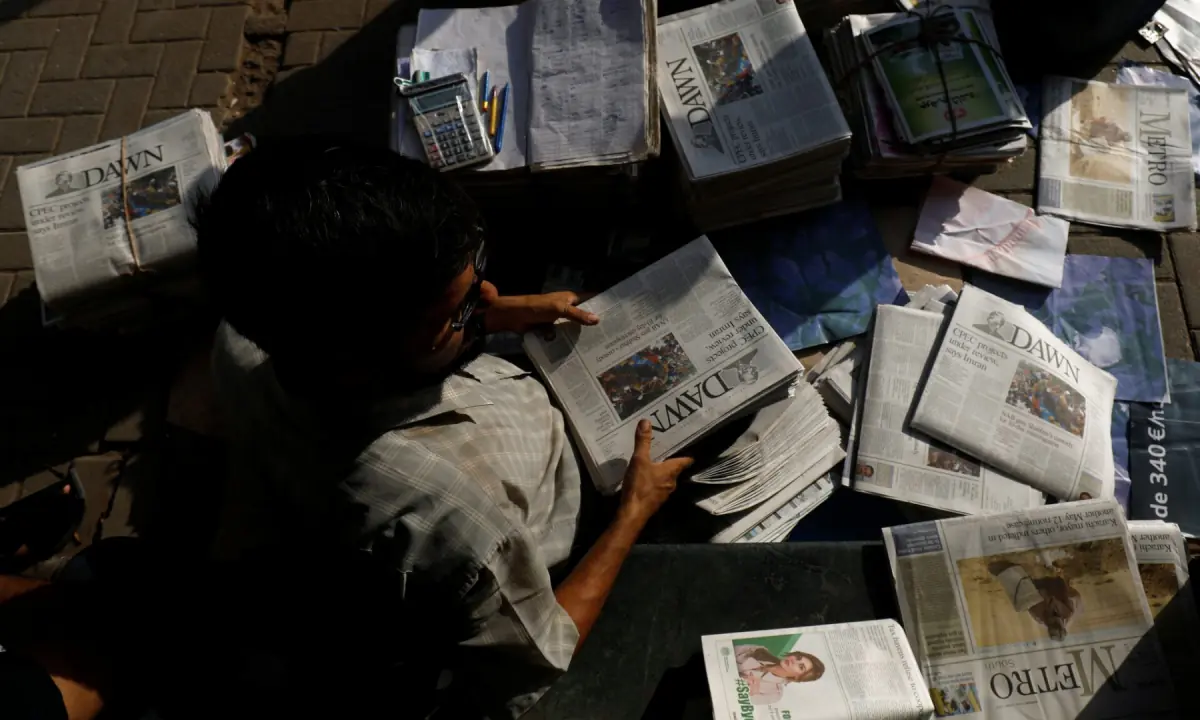
Pakistan is experiencing a pervasive silence driven by fear and increasing state authoritarianism, where dissent is met with legal charges and FIRs. The EU's GSP+ assessment highlights persistent and serious limitations on freedom of expression and access to information. While the current coalition government shows contempt for dissent, including warnings against criticizing foreign policy and blocking journalists' channels, the problem extends beyond the current regime.
The country's legal framework, inherited from the British colonial era, is deeply embedded with provisions that suppress speech in the name of security and order. Laws like Section 124A of the Penal Code (sedition), which was designed to control political dissent and is described as "a masterpiece of uncertainty," continue to be used. The Prevention of Electronic Crimes (Amendment) Act, 2025 (PECA), mirrors these vague provisions, serving to protect state officials from criticism and imprison journalists. Between January and July of the previous year, 99 cases were filed against journalists for alleged anti-state activities.
Furthermore, colonial-era laws like Section 144 of the Criminal Procedure Code, which grants unchecked power to prohibit public gatherings, are routinely used to stifle protest, from the Aurat March to solidarity for Gaza. The practice of preventive detention, allowing imprisonment without trial, is also a legacy of colonial control, with various acts enabling executive detention on vague grounds of public safety. These systemic issues, woven into Pakistan's legal fabric, demonstrate that restoring democracy requires dismantling this inherited and evolving system of control, not just changing the current government.
Pakistan's struggle with free speech appears rooted in a legal and administrative inheritance from its colonial past, which prioritized state control over individual liberties. The current government's actions, while concerning, may be symptomatic of a deeper systemic issue where laws designed for maintaining order are readily repurposed to suppress dissent. The analysis suggests that focusing solely on regime change overlooks the enduring influence of these foundational legal structures, which are adaptable to new technological landscapes like online platforms. Addressing this challenge requires a comprehensive review and reform of these inherited legal frameworks to ensure they align with contemporary democratic principles and human rights, rather than merely updating them for current political expediency. The long-term implication is that genuine freedom of expression will remain elusive until the underlying legal architecture is fundamentally transformed.
AI-generated to prompt reflection — not editorial opinion, not advice, not a statement of fact. How this works.