Pakistan's Hidden Economy: Unpaid Labor Drives Productivity but Lacks Recognition
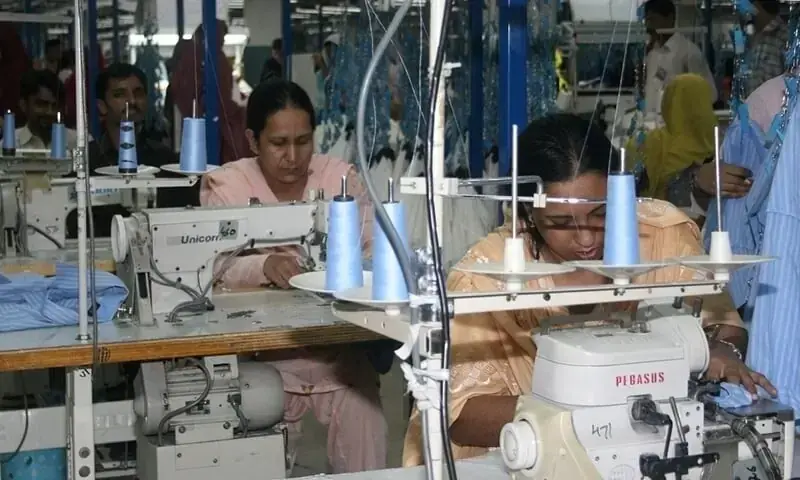
Pakistan's economic discourse largely overlooks a significant portion of its productive output because it is unpaid. This 'hidden economy' encompasses both unpaid market labor, where individuals contribute to family businesses, farms, and workshops without direct wages, and unpaid non-market labor, which includes essential household tasks like cooking, childcare, and cleaning. The 2024 Labour Force Survey indicates that 5.9 million men and 8.8 million women engage in unpaid market work, with nearly half of working women contributing without pay. Furthermore, unpaid domestic work is pervasive, with 76 percent of working-age women performing these tasks weekly, spending significantly more hours than men on household management and caregiving.
This underestimation of unpaid work challenges the perception of low female workforce participation in Pakistan. While official statistics show fewer women in paid employment, a comprehensive view reveals that nearly 78 percent of women are engaged in productive activities when both paid and unpaid labor are considered. The burden of unpaid domestic duties often limits women's opportunities for paid employment, particularly after marriage and childbirth. Ignoring this substantial economic contribution leads to policy gaps, as essential support services like childcare and infrastructure improvements are often viewed as social welfare rather than economic growth drivers.
To address this, Pakistan should integrate unpaid work into national accounts and improve labor statistics to recognize unpaid market workers. Alleviating the burden of unpaid caregiving through accessible childcare and better infrastructure can empower more women to join the paid workforce while acknowledging their current economic contributions. Recognizing this sector, estimated to be worth one-third of the economy, is crucial for formulating effective labor, productivity, and growth policies.
The analysis highlights a critical disconnect between official economic metrics and the lived reality of productive activity in Pakistan. By focusing solely on paid labor, Pakistan's GDP and employment figures fail to capture the immense value of unpaid domestic and market work, disproportionately undertaken by women. This omission not only distorts the understanding of women's economic participation but also leads to underinvestment in essential social infrastructure, such as childcare and public services, which could significantly boost overall labor productivity and economic growth. Future economic policy frameworks must evolve to incorporate satellite accounts for unpaid work, providing a more holistic and accurate picture of the economy. This shift is essential for fostering inclusive growth and ensuring that all forms of valuable economic contribution are recognized and supported, aligning with the global imperative to account for the full spectrum of human economic endeavor in the AI era.
AI-generated to prompt reflection — not editorial opinion, not advice, not a statement of fact. How this works.
