Pakistan's HIV patients fear monsoon's return amid rising infections and flood risks
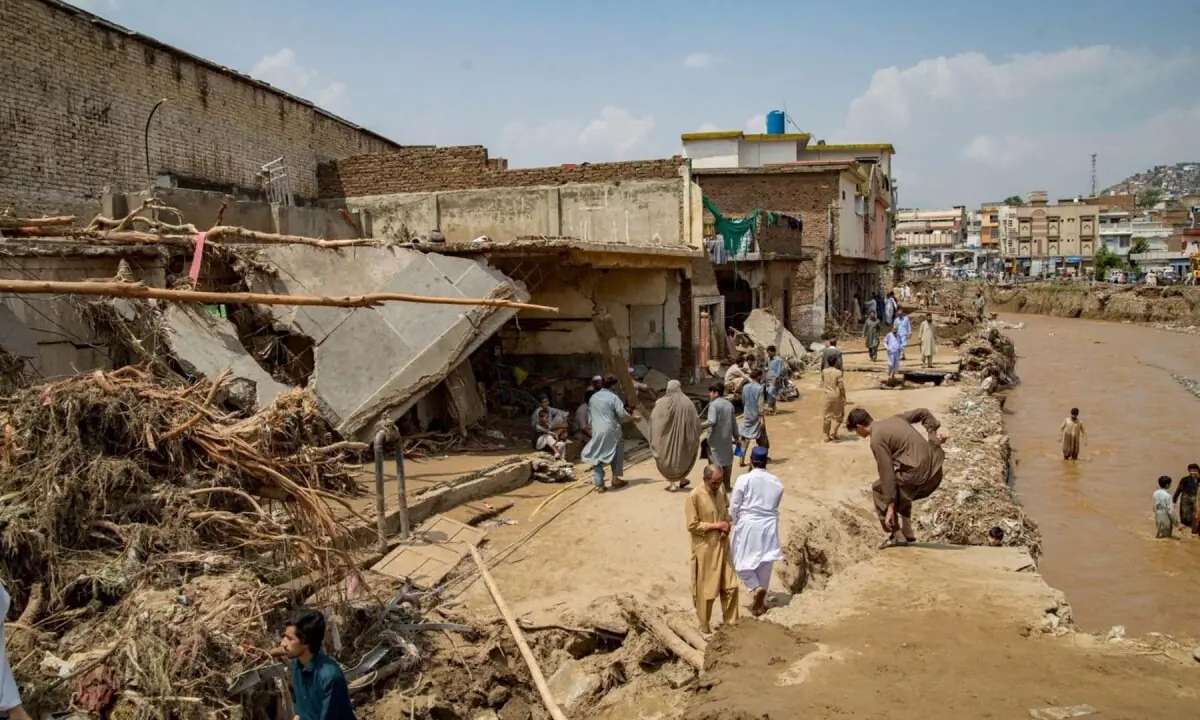
As Pakistan braces for its monsoon season, individuals living with HIV are expressing significant concerns about their access to life-saving antiretroviral therapy, especially following the devastating floods of August 2025. These floods, which affected regions like Buner and Punjab, submerged homes and cut off access to essential medical centers, forcing many to prioritize their HIV medication over other valuables. The experience left many vulnerable, with disruptions in treatment potentially leading to severe health consequences such as viral rebound and immune system damage. This year, Pakistan is on high alert for heavy rainfall and potential flooding, with the National Disaster Management Authority (NDMA) issuing alerts for glacial lake outbursts and rising river levels. These warnings come as Pakistan grapples with a dramatic increase in HIV incidence, with new infections rising by 200% between 2010 and 2024, according to the World Health Organization. Hospitals, particularly in Karachi, have reported a sharp rise in pediatric HIV cases, with experts attributing this surge primarily to unsafe medical practices, including the reuse of syringes. The government, under Prime Minister Shehbaz Sharif, has emphasized flood preparedness and ordered comprehensive screening for hepatitis and HIV in public hospitals. However, past events, like the 2022 floods which caused $10 billion in damage and affected over 33 million people, highlight the fragility of healthcare access during climate disasters. Many HIV patients were lost to follow-up during those floods, with nearly 20,000 patients considered missing by the health ministry as of May 2026, raising serious questions about patient retention and support systems.
The convergence of Pakistan's monsoon season, a documented surge in HIV infections, and recurring climate-related disasters presents a complex public health challenge. The primary concern for individuals with HIV is the disruption of consistent access to antiretroviral therapy, a critical factor in managing the condition and preventing progression to AIDS. This vulnerability is exacerbated by existing societal stigma surrounding HIV, which can deter individuals from seeking care or disclosing their status, particularly during emergencies. The reported increase in HIV incidence, linked to unsafe medical practices, suggests systemic issues within healthcare provision that require robust regulatory oversight and public health interventions. Future preparedness strategies must integrate the specific needs of vulnerable populations, such as those with chronic conditions, ensuring that disaster response plans include provisions for maintaining access to essential medications and healthcare services, thereby mitigating the compounding risks posed by both climate events and public health crises.
AI-generated to prompt reflection — not editorial opinion, not advice, not a statement of fact. How this works.