Pakistan's Jamaat-i-Islami to Hold Nationwide Protests Against Fuel Levy
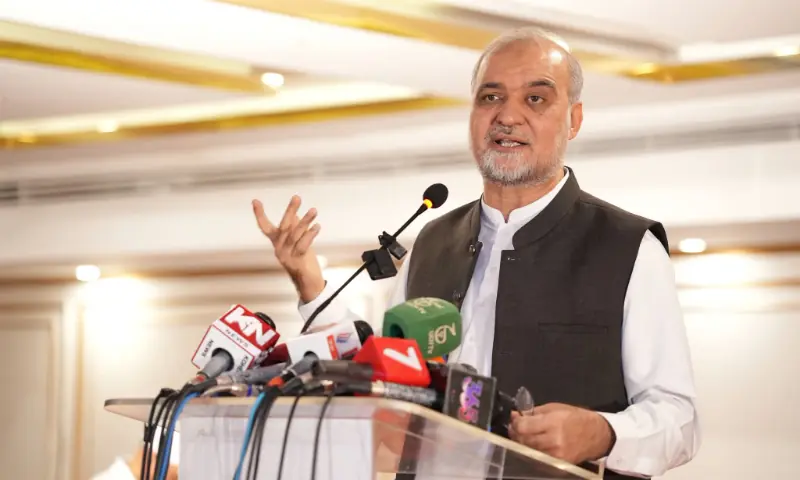
Jamaat-i-Islami Pakistan (JI) Emir Hafiz Naeemur Rehman announced nationwide protests and sit-ins scheduled for Friday, July 10, to oppose the government's "extortionary" petroleum levy. Rehman stated that the levy has become an excessive burden on citizens, with the government reportedly collecting Rs118 per liter in taxes and levies on petrol. He alleged that approximately Rs8.5 trillion has been collected through this levy, primarily to meet revenue targets rather than to improve petroleum infrastructure. Furthermore, Rehman criticized the collection of around Rs60 billion under the Climate Support Levy, claiming these funds are not being allocated to environmental protection or climate-related projects. The government recently doubled the climate support levy to Rs5 per liter, effective July 1, while reducing the petroleum levy, resulting in current petroleum levies of about Rs80 per liter on diesel and Rs70 per liter on petrol, plus the Rs5 climate support levy. Rehman also highlighted increases in gas prices despite new reserve discoveries and criticized the government's handling of energy exploration, citing the absence of major international companies in a recent bidding round. He pointed to the significant price disparity for LPG, officially priced at Rs241 per kilogram but sold for up to Rs500 per kilogram, alongside rising electricity, fuel, and food costs. The JI chief urged public participation in the protests, demanding that petrol prices be capped at Rs225 per liter. He also called on the government to address India's actions regarding Pakistan's water resources internationally, expedite the Iran-Pakistan gas pipeline, initiate formal trade with Iran, and engage in dialogue to resolve the crisis in Azad Jammu and Kashmir (AJK).
The Jamaat-i-Islami's planned protests highlight public discontent with the economic pressures stemming from government fiscal policies, particularly fuel taxation. The significant levies on petroleum products, reportedly exceeding Rs100 per liter when combined, represent a substantial portion of the retail price, directly impacting household budgets and transportation costs. This situation underscores a common challenge for governments in emerging economies: balancing the need for revenue generation, often driven by international financial institution requirements, with the imperative to maintain affordability and public welfare. The criticism regarding the allocation of climate support levies raises questions about governmental transparency and accountability in environmental stewardship. As energy markets and climate policies evolve globally, Pakistan faces the systemic challenge of diversifying its energy sources, enhancing infrastructure, and implementing taxation policies that are both fiscally responsible and socially equitable, particularly in the context of rising global energy prices and the ongoing energy transition.
AI-generated to prompt reflection — not editorial opinion, not advice, not a statement of fact. How this works.