Pakistan's medicine deregulation: Availability returns, but affordability crisis deepens
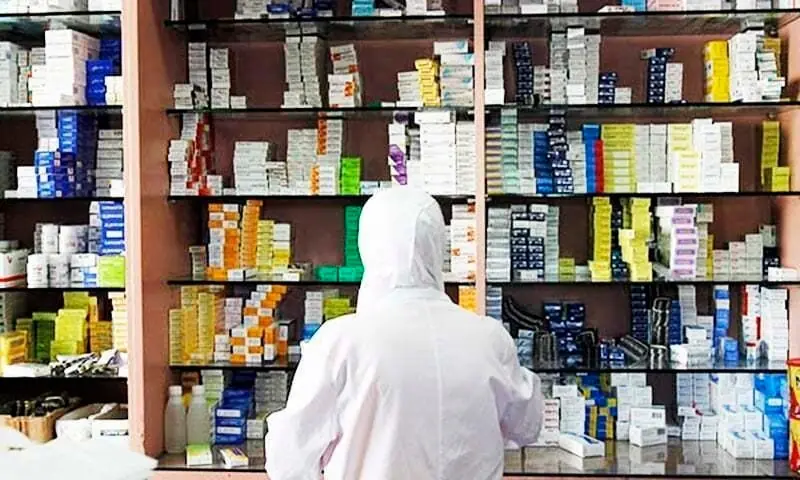
In Pakistan, a recent government decision to deregulate prices for non-essential medicines in February 2024 has led to a significant shift in the pharmaceutical market. While shelves that were once bare are now stocked with a wide range of drugs, from insulin to cancer treatments, patients are struggling to afford them due to price increases. This policy change aimed to address widespread drug shortages and a black market that emerged when state-imposed price caps kept retail prices below production costs for decades. Pharmaceutical companies had warned that these restrictions were unsustainable, leading to scarcity and vulnerability for patients with chronic illnesses.
Industry leaders and provincial drug regulators confirm that shortages have largely vanished, and the availability of quality medicines has improved. However, for the average Pakistani household, the increased prices present a severe challenge, especially as healthcare expenses are largely out-of-pocket. Even modest price hikes are difficult to manage, particularly for those with stagnant wages and high inflation impacting food and utilities. Pharmacists report that customers are returning prescriptions or taking only partial treatments due to cost, which can lead to slower recovery and ultimately higher expenses.
Experts criticize the policy's distinction between essential and non-essential drugs, noting that medications for chronic conditions like epilepsy and hypertension are now deregulated. Civil society groups advocate for subsidies or targeted support to prevent deepening health inequalities. The situation highlights Pakistan's broader healthcare crisis, characterized by a lack of universal health coverage and significant out-of-pocket spending. While pharmaceutical companies cite rising global raw material costs and operational challenges as reasons for price adjustments, patients like Abdul Rauf face a stark choice between food and essential medication, indicating that the crisis of scarcity has been replaced by a crisis of affordability.
Pakistan's deregulation of non-essential medicine prices, intended to resolve scarcity issues, has inadvertently created an affordability crisis. This policy shift, driven by industry pressures and the unsustainable economics of price caps, highlights a systemic tension between market functionality and public health access. The government's move to allow independent pricing, while restoring supply, disproportionately impacts lower-income populations who bear significant out-of-pocket healthcare costs. This outcome suggests a need for more nuanced policy interventions that balance pharmaceutical industry viability with equitable access to essential treatments. Future strategies should explore mechanisms like targeted subsidies, price negotiation frameworks for critical medications, or strengthening public health infrastructure to mitigate the regressive effects of market-based pricing on vulnerable citizens, particularly in an era where out-of-pocket health expenditure remains a primary driver of poverty.
AI-generated to prompt reflection — not editorial opinion, not advice, not a statement of fact. How this works.