Pakistan's Museum Digitization Project Highlights Governance Challenges
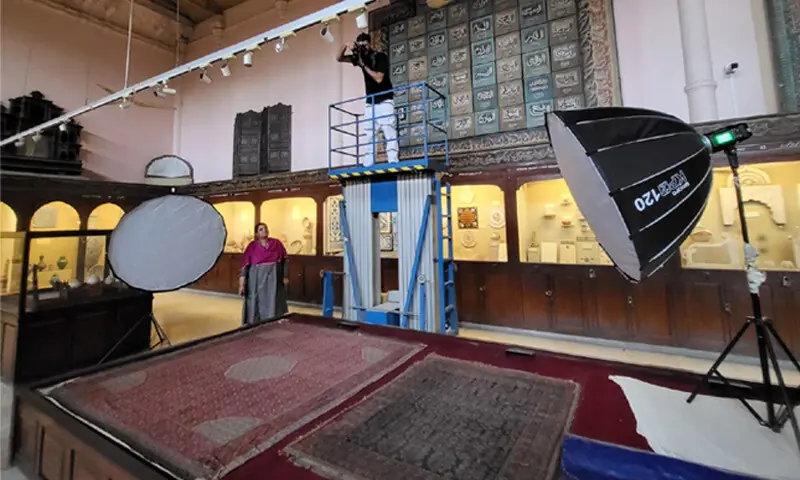
Pakistan's largest museum digitization project, launched in early 2024, aims to create a comprehensive digital record of the Lahore and Taxila Museums' vast collections, spanning millennia of South Asian history. These collections include Gandharan sculptures, Paharri miniatures, colonial-era artifacts, and modern art, representing a rich regional archive that has historically been inaccessible and vulnerable. The initiative is part of the Punjab Tourism for Economic Growth Project (PTEGP), funded by a World Bank loan, with the Citizens Archive of Pakistan (CAP) hired to execute the digitization. While the project focuses on technology, its success is significantly impacted by complex governance structures, institutional histories, and professional anxieties within Pakistan's cultural sector. A critical issue emerged at the Taxila Museum, where the reserve collection is under the federal government's Department of Archaeology and Museums (DOAM), while the displayed items belong to the provincial government. This administrative split, a consequence of the 2010 18th Amendment and subsequent devolution, prevented the digitization of Taxila's reserve collection within the project's 11-month timeline due to unresolved ownership and access issues. The Lahore Museum faces its own administrative complexities, managed by a board of governors as an allied department of the provincial Tourism, Archaeology and Museums (TAM) department, with the TAM secretary as the highest authority. This ambiguous chain of command complicates decision-making for museum improvements. Furthermore, a sustained lack of funding has led to an erosion of specialized expertise in collections management, conservation, and documentation across the country. For over two decades, the Lahore Museum has not been led by a museum professional, and for 16 years, the Taxila Museum lacked authority over its reserve collection. Many museum staff lack formal qualifications, learning on the job, and leadership positions have often been filled by bureaucrats rather than specialists in archaeology or art history. This has resulted in projects becoming exercises in navigating institutional uncertainty and rebuilding trust with successive leadership, hindering the potential for cultural exchange and upgrades.
This digitization project, while technologically ambitious, underscores a critical systemic challenge in Pakistan's cultural heritage sector: the persistent disconnect between operational needs and administrative frameworks. The devolution of authority following the 18th Amendment, intended to empower provinces, has inadvertently created bureaucratic fragmentation and ownership ambiguities, as seen with the Taxila Museum's reserve collection. This governance deficit, coupled with a long-term underinvestment in specialized human capital within cultural institutions, has led to a reliance on non-specialist leadership and a skills gap. Consequently, technological initiatives become entangled in institutional inertia and inter-departmental disputes, diverting resources and focus from core preservation and accessibility goals. Future efforts would benefit from a strategic review of inter-governmental coordination mechanisms and a sustained commitment to professionalizing heritage management through targeted training and merit-based appointments, ensuring that technological investments are supported by robust institutional capacity and clear lines of accountability.
AI-generated to prompt reflection — not editorial opinion, not advice, not a statement of fact. How this works.