Pakistan's NDMA Warns of Widespread Flood Risks Amidst Rising Rivers
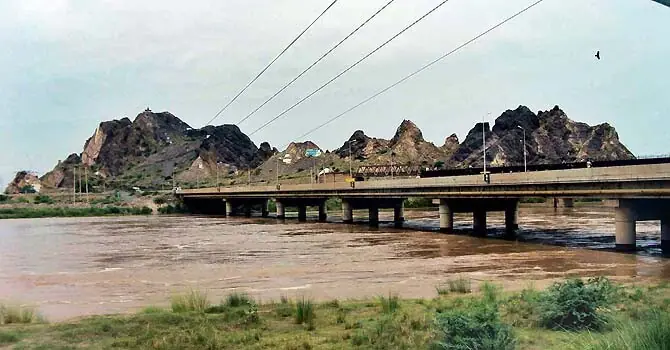
Pakistan's National Disaster Management Authority (NDMA) issued a warning on Saturday regarding escalating flood risks across multiple regions due to persistent monsoon rains swelling rivers and streams. Medium-level flooding has been reported along the Chenab River at Khanki, Qadirabad, and Chiniot Bridge, as well as at Wazirabad's Palkhu Nala. The Indus River is experiencing low-level flooding at Kalabagh, Chashma, and Taunsa, while the Chenab River shows low flood levels at Marala and Trimmu, the Ravi River at Balloki and Sidhnai, and the Kabul River at Nowshera. Additional low flood conditions are present at Nala Aik and Palkhu Nala Cantonment Bridge.
Further increases in water flow are anticipated for the Chenab River over the next 24 hours at Marala, Khanki, Qadirabad, and Chiniot Bridge, with Trimmu Barrage expected to reach medium flood levels. The NDMA also forecasts potential flash floods in the hill torrents of Dera Ghazi Khan, seasonal streams in Khyber Pakhtunkhwa, and parts of northern Balochistan within the next 48 hours. Urban flooding is a concern for numerous cities, including Gujranwala, Lahore, and Multan. The authority has advised the public to avoid unnecessary travel to affected areas, check conditions before driving, and stay informed via the Pak NDMA Disaster Alert app. Emergency response teams are on standby, and departments are tasked with continuous monitoring and rapid road restoration. The NDMA also cautioned about landslides and debris flows in mountainous areas and urged citizens not to cross flooded roads or approach riverbanks and steep slopes.
The NDMA's warning highlights the recurring vulnerability of Pakistan's infrastructure and population to monsoon-induced flooding, a systemic challenge exacerbated by climate change. The agency's proactive communication and preparedness measures, including public advisories and emergency team readiness, are crucial for mitigating immediate risks. However, the repeated occurrence of such events points to the need for long-term, integrated water management strategies, resilient infrastructure development, and potentially revised land-use planning in flood-prone zones. Addressing these systemic issues will be paramount in adapting to the intensifying impacts of extreme weather events in the coming decade.
AI-generated to prompt reflection — not editorial opinion, not advice, not a statement of fact. How this works.