Pakistan's OIC Women's Conference Chairmanship Faces Gender Equality Challenges
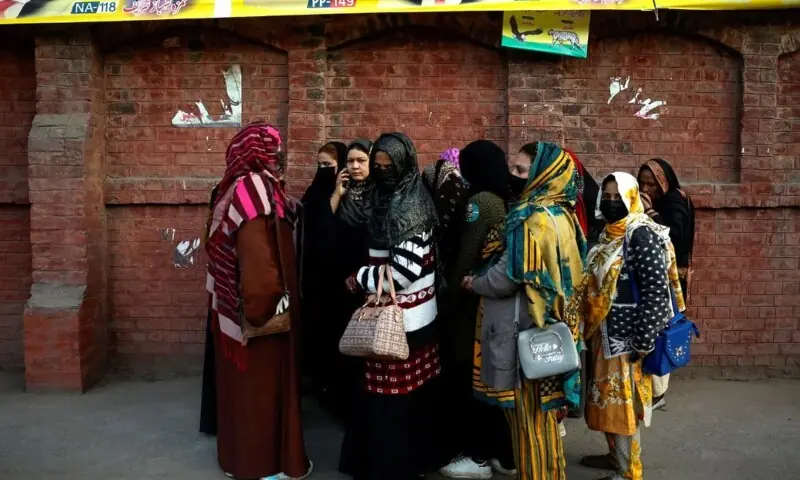
Pakistan assumed the chairmanship of the OIC Ministerial Conference on Women this week, a role undertaken amidst significant domestic gender inequality issues. The World Economic Forum recently ranked Pakistan 148th out of 148 countries in its Global Gender Gap Report, highlighting the substantial work needed to ensure women have equal opportunities in education, employment, and public life. This context amplified calls within the conference for the Organisation of Islamic Cooperation (OIC) to move beyond mere declarations and achieve concrete progress.
During the conference, Senate Chairman Yousaf Raza Gilani proposed specific, measurable targets for girls' education, women's leadership, workforce participation, and protection against gender-based violence. The OIC has previously endorsed women's empowerment multiple times, but the primary obstacle has been the failure to translate these commitments into tangible change. Women in many Muslim-majority countries still encounter barriers that hinder their potential and their societies' prospects. Afghanistan exemplifies this, with girls still denied access to secondary and higher education despite international appeals.
Conflict has displaced millions of women and children, while economic hardship further restricts access to essential services. Promoting educational opportunities, enhancing financial inclusion, and ensuring women's full participation in economic and public spheres are crucial for sustainable development, not just social justice. Nations that do not leverage the full potential of their female population inherently limit their own growth and resilience. Pakistan's leadership at the OIC conference offers a chance to advocate for a more accountable approach across the Muslim world, focusing on practical benchmarks and shared policy successes rather than just resolutions.
Pakistan's leadership of the OIC Ministerial Conference on Women occurs against a backdrop of stark gender disparities, as evidenced by its low ranking in global gender gap reports. The conference's focus on moving beyond declarations to tangible progress underscores a systemic challenge within the OIC: the gap between stated commitments and on-the-ground implementation. The analysis suggests that the effectiveness of Pakistan's chairmanship will be measured by its ability to foster accountability mechanisms, such as agreed-upon benchmarks and regular reporting, across member states. This approach aligns with the long-term imperative for inclusive development, where harnessing the full talent pool of women is essential for national resilience and economic growth in the coming decade. The underlying tension lies in balancing national sovereignty and cultural considerations with the universal principles of gender equality and human capital development.
AI-generated to prompt reflection — not editorial opinion, not advice, not a statement of fact. How this works.