Pakistan's plastic recycling success faces challenge from complex wrappers
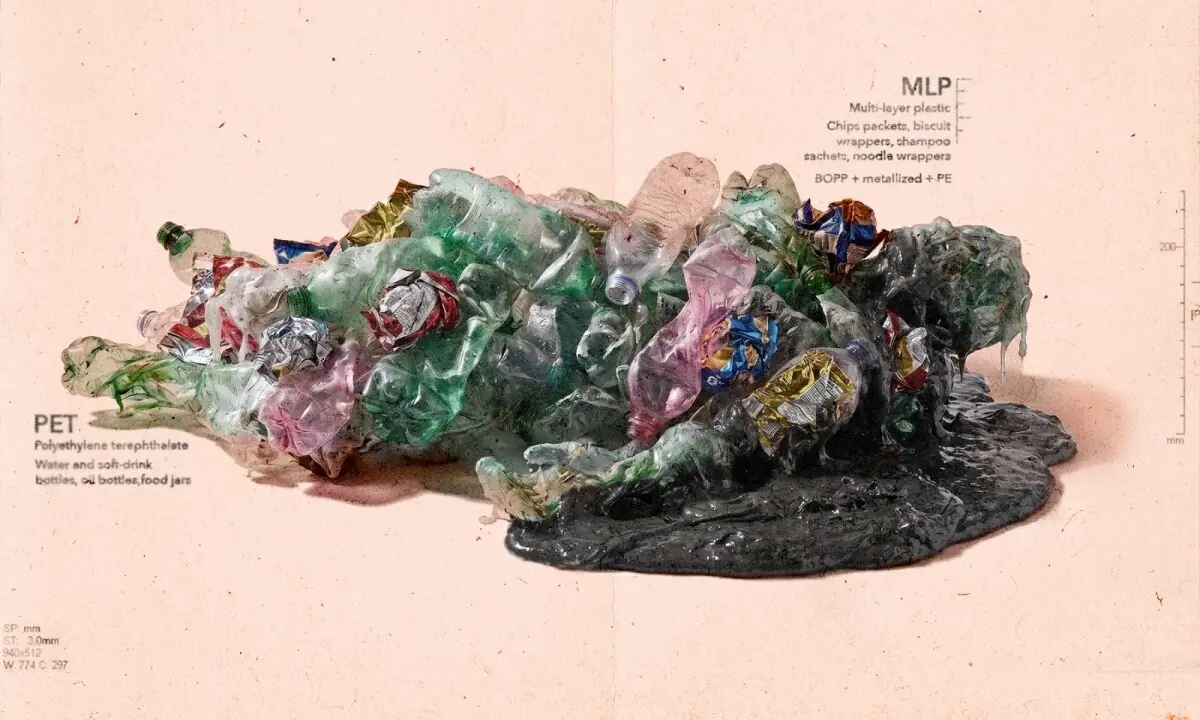
While Pakistan boasts low marine plastic pollution rates, a closer look at its recycling practices reveals significant challenges, particularly with multi-layered plastic (MLP) packaging.
MLP, commonly found in biscuit and chip packets, is difficult and expensive to recycle due to its multiple layers, each requiring different processing temperatures and machinery. This makes it far less valuable than single-layer plastics like PET bottles. Consequently, informal recyclers often resort to burning MLP waste in open containers, creating a sludge that cools into energy blocks known as 'gatha.' This gatha is then sold as cheap fuel to factories, kilns, and dyeing units, often operating in residential areas or on the city outskirts.
While regulated economies use similar materials as Solid Recovered Fuel (SRF) under strict government oversight, Pakistan's informal burning of MLP releases toxic emissions, heavy metals, and acid gases into the air, posing a severe public health risk. Formal recycling methods for MLP, such as mechanical compaction or pyrolysis, are more complex and less common. The current informal system merely shifts the environmental burden from landfills to the air, impacting public health, especially in communities near these unregulated operations.
Pakistan's recycling sector, while achieving notable success in reducing marine plastic, grapples with the systemic challenge of processing complex, multi-layered plastics. The informal economy's reliance on open burning of MLP for energy recovery, though economically expedient for some, externalizes significant environmental and public health costs. This practice highlights a critical governance gap, where the pursuit of low-cost waste-to-energy solutions bypasses regulated processes that mitigate toxic emissions. Future policy interventions could focus on incentivizing formal MLP recycling technologies and enforcing stricter environmental standards for waste-derived fuels, thereby aligning economic benefits with public health and ecological sustainability.
AI-generated to prompt reflection — not editorial opinion, not advice, not a statement of fact. How this works.