Pakistan's Policy Rate Pause Divides Business Community and Foreign Investors
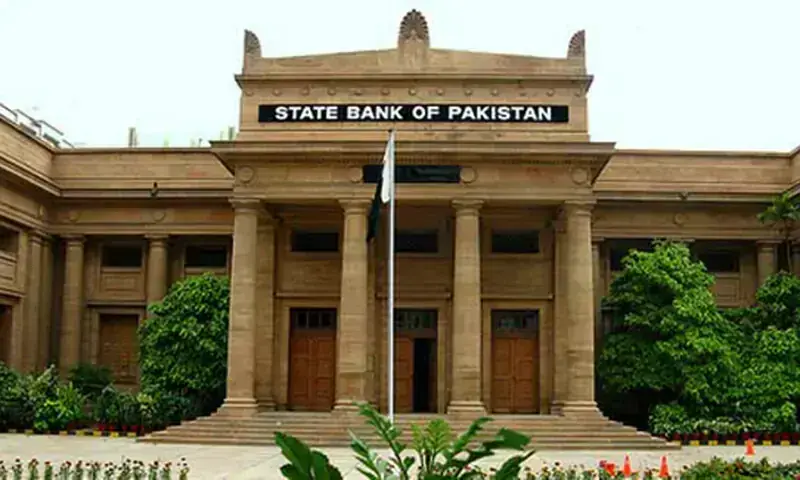
The State Bank of Pakistan's decision to maintain its policy rate at 11.5% has drawn mixed reactions from various stakeholders. Foreign investors, represented by the Overseas Investors Chambers of Commerce and Industry (OICCI), view the pause as a prudent and balanced move. OICCI Secretary General M Abdul Aleem stated that the decision reflects improving macroeconomic conditions while acknowledging persistent inflation and external risks. He believes the pause offers businesses a crucial respite, especially as private sector credit and economic activity, particularly in sectors like automobiles and cement, show signs of recovery. However, local business groups have voiced strong criticism, arguing that the elevated interest rate will impede economic growth and access to financing. The Federation of Pakistan Chambers of Commerce and Industry (FPCCI) Acting President Saquib Fayyaz Magoon described the decision as 'contractionary,' warning it undermines industrial revival efforts. The business community had hoped for a rate reduction to lower the cost of doing business and address economic challenges. They contend that maintaining the status quo is a significant setback for industries and exporters already burdened by high energy tariffs and financing costs. Local industrialists also expressed concerns that the high policy rate could further slow industrial activity, investment, and exports, exacerbated by rising global crude oil prices and domestic economic pressures like increased energy and petroleum prices. They argue that persistently high interest rates discourage new investment, delay capacity expansion, and reduce international competitiveness. Business leaders are calling for a single-digit interest rate to reduce production costs, make goods more affordable, and stimulate the economy.
The State Bank of Pakistan's decision to hold the policy rate at 11.5% highlights a classic tension between managing inflation and stimulating economic growth. While foreign investors and some domestic entities see prudence in the pause, citing macroeconomic stability and nascent recovery signs, local industry groups perceive it as a significant impediment to revival. This divergence suggests differing risk appetites and priorities: foreign investors may prioritize stability and a controlled inflation environment, while domestic businesses, facing immediate cost pressures and financing needs, advocate for lower rates to boost liquidity and competitiveness. The analysis hinges on the trade-off between short-term economic stimulus and long-term price stability. Future policy will likely depend on the trajectory of inflation, global economic conditions, and the government's fiscal discipline, with the central bank navigating the complex challenge of fostering growth without reigniting inflationary pressures, a critical balancing act in the current global economic landscape.
AI-generated to prompt reflection — not editorial opinion, not advice, not a statement of fact. How this works.