Pakistan's Power Sector Debt Swells Past IMF Target
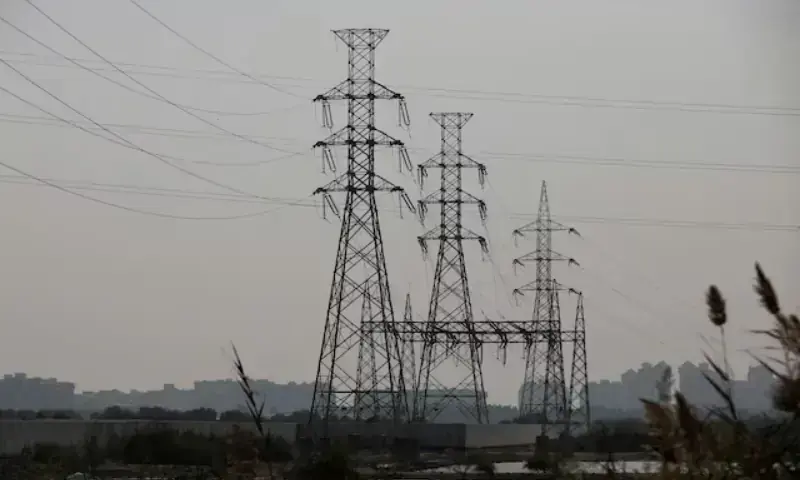
The power sector's circular debt in Pakistan has increased by Rs61 billion in the last fiscal year, reaching approximately Rs1.67 trillion. This figure surpasses the International Monetary Fund's (IMF) program condition, which aimed to cap the debt stock at Rs1.61 trillion. The Power Division attributes this rise to a Rs98 billion reduction in federal subsidies, arguing that without this cut, the debt would have decreased to Rs1.58 trillion. However, this explanation highlights the inherent fragility of a power system reliant on government financial support to avoid accumulating arrears. Despite various interventions over the years, including renegotiating power purchase agreements, retiring inefficient plants, increasing tariffs, and securing large bank loans, the debt continues to grow. A significant Rs1.23 trillion financing deal with 18 banks, repaid through a surcharge on consumers, was previously presented as a historical transaction, yet it failed to halt the debt accumulation. While distribution losses have seen a welcome reduction from Rs591 billion to Rs326 billion over two years, this improvement is juxtaposed with a system that requires escalating tariffs, subsidies, and new borrowing annually. The increasing reliance on rooftop solar by consumers who can afford the initial investment is exacerbating the issue. As grid electricity becomes more expensive, the fixed costs of the grid are increasingly borne by a shrinking base of consumers, creating a feedback loop of higher bills and further migration to solar power. The underlying issues driving this debt are systemic, including distribution losses, transmission constraints, poor bill recovery, reliance on imported fuels, electricity theft, and outdated power purchase contracts. Simply raising tariffs only postpones the inevitable financial reckoning. The government needs to adopt a holistic approach, treating power, gas, and oil as interconnected systems, as shortfalls or price spikes in one sector inevitably manifest as debt in another.
The persistent growth of Pakistan's power sector circular debt, exceeding IMF targets, reveals a systemic challenge rooted in a mismatch between energy generation costs and consumer affordability, exacerbated by policy inconsistencies. While efforts to reduce distribution losses are commendable, they are overshadowed by structural issues like reliance on imported fuels, inefficient infrastructure, and a tariff-subsidy framework that creates a perpetual cycle of borrowing and arrears. The increasing adoption of rooftop solar by affluent consumers, driven by rising grid prices, poses a significant challenge to the financial sustainability of the state-owned grid. This trend, if unchecked, could lead to a 'death spiral' where the fixed costs are borne by a shrinking, less affluent consumer base, necessitating further tariff hikes and potentially increasing the burden on public finances. A long-term solution requires a comprehensive energy sector reform that addresses generation mix, transmission and distribution efficiency, and a transparent pricing mechanism that balances affordability with financial viability, potentially exploring innovative financing models and incentivizing private sector participation in grid modernization.
AI-generated to prompt reflection — not editorial opinion, not advice, not a statement of fact. How this works.