Pakistan's PPP to Discuss New Administrative Units, Emphasizing Constitutional Process
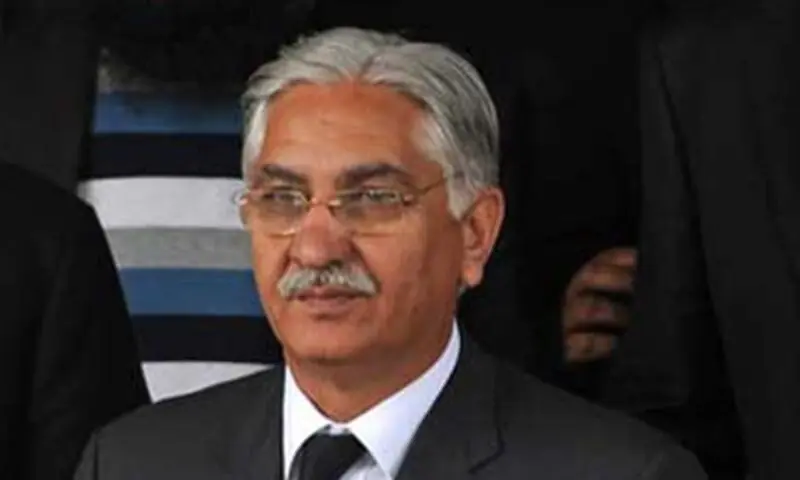
The Pakistan Peoples Party's (PPP) Central Executive Committee (CEC) is scheduled to deliberate on the creation of new administrative units. According to PPP Secretary General Nayyar Bokhari, any such changes must adhere strictly to the constitutional procedure, requiring a two-thirds majority in the relevant provincial assembly, the National Assembly, and the Senate. Bokhari emphasized that new provinces cannot be established through executive orders but solely through a parliamentary decision. This discussion follows recent calls from various political parties and Interior Minister Mohsin Naqvi for more administrative divisions to enhance governance. While the PPP, which governs Sindh, opposes new units within that province, it has supported the creation of a South Punjab province. Bokhari urged Defence Minister Khawaja Asif to initiate the process from Punjab, noting a pending resolution for a South Punjab province in the Punjab Assembly. He also suggested that federal ministers raise the issue in the cabinet and that Prime Minister Shehbaz Sharif consult with PPP Chairperson Bilawal Bhutto-Zardari. The PPP's CEC will consider the matter with due regard for the Constitution, democracy, and public will. The Muttahida Qaumi Movement-Pakistan (MQM-P) has advocated for Karachi to become a separate province, a proposal strongly opposed by the PPP. Conversely, the PPP and PTI have long supported a South Punjab province. Federal Communications Minister Abdul Aleem Khan proposed dividing each of the four existing provinces into four, creating 16 total provinces. Interior Minister Naqvi suggested that addressing administrative units requires public consultation and a collaborative effort among political parties, stating the current system has collapsed and a reset is necessary. Bokhari countered that systemic issues should be addressed in Parliament, not the media, and credited national leaders and military chief Field Marshal Syed Asim Munir for recent diplomatic successes, while placing responsibility for economic improvement on the federal government.
The discourse surrounding the creation of new administrative units in Pakistan highlights a recurring tension between constitutional processes and political expediency. While proponents argue for increased administrative efficiency and better governance through smaller provinces, the requirement for broad parliamentary consensus and provincial assembly approval presents a significant hurdle. The PPP's stance, emphasizing constitutional adherence while selectively supporting certain proposals like South Punjab, reflects a strategic positioning within the complex inter-party dynamics. The Interior Minister's call for a systemic reset and public consultation suggests a recognition of the limitations of the current governance framework. However, the challenge lies in translating these discussions into concrete, constitutionally sound actions, as the political will and consensus-building required remain elusive. The emphasis on diplomatic successes versus economic stability also points to a potential disconnect between national achievements and the daily concerns of citizens, a dynamic that could shape future political discourse and demands for structural reform.
AI-generated to prompt reflection — not editorial opinion, not advice, not a statement of fact. How this works.