Pakistan's Provincial Leaders Pledge Comprehensive Prison Reforms
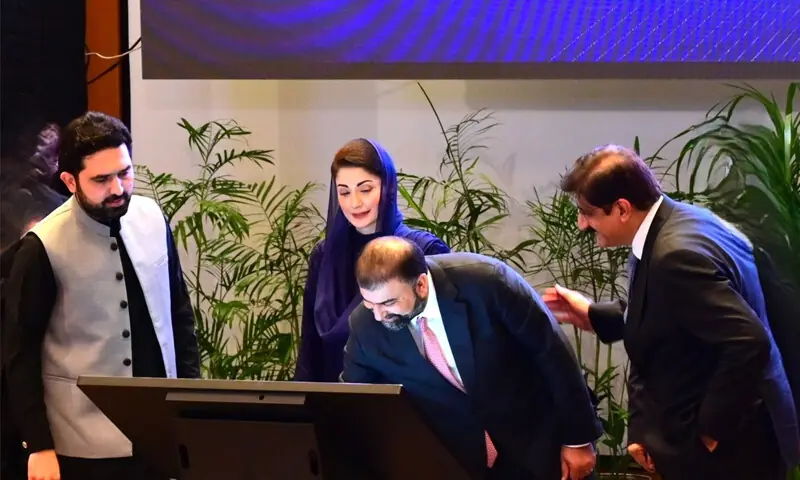
Pakistan's chief ministers have committed to significant prison reforms, acknowledging them as a constitutional and public safety necessity. The National Conference on Prison Reforms, organized by the Supreme Court and the National Judicial (Policy-Making) Committee, aimed to establish a unified national framework for these changes. During the conference, provincial leaders, including Maryam Nawaz of Punjab, Murad Ali Shah of Sindh, Sohail Afridi of Khyber Pakhtunkhwa, and Sarfraz Bugti of Balochistan, signed the Islamabad Declaration on Prison Reforms. Chief Justice Yahya Afridi emphasized that prisons reflect the justice system's effectiveness and that reforms require shared institutional responsibility and sustained provincial leadership, grounded in human dignity. Punjab CM Maryam Nawaz shared her personal experiences of solitary confinement, which inspired improvements in provincial prisons, including the installation of emergency panic buttons. She also highlighted Punjab's 45 correctional centers housing 69,000 inmates against a capacity of 39,000, noting that three-fourths of the population are undertrial prisoners. Sindh CM Murad Ali Shah focused on rehabilitation policies and ensuring legal assistance for all inmates. Khyber Pakhtunkhwa CM Sohail Afridi specifically requested improvements at Adiala jail, where his party chief is incarcerated, and sought better amenities for visitors and the possibility of e-visits for Imran Khan. Law Minister Azam Nazeer Tarar clarified that the reforms target all ordinary inmates, not just high-profile prisoners. The declaration commits provinces to reducing unnecessary incarceration, particularly of undertrial prisoners, by strengthening alternatives like bail and legal aid, especially for vulnerable groups. It also mandates reviewing laws and policies to align prison administration with human rights standards, improving infrastructure, sanitation, and healthcare, and promoting rehabilitation through education and vocational training. Regular reporting on progress to a national coordination mechanism is also required.
The commitment to prison reform by Pakistan's provincial leadership, particularly following the National Conference on Prison Reforms, signals a potential shift towards aligning the justice system with constitutional and human rights standards. The emphasis on reducing unnecessary incarceration, especially for undertrial prisoners, and enhancing rehabilitation services addresses systemic issues of overcrowding and the punitive nature of the current system. However, the practical implementation will depend on sustained political will and resource allocation across provinces. The reforms aim to move beyond a purely custodial model towards one that prioritizes human dignity and societal reintegration, a complex transition given the colonial-era legal framework and existing infrastructure challenges. Future success will be measured by tangible improvements in detention conditions, reduced recidivism rates, and the equitable application of justice, reflecting a broader societal evolution in understanding the role of prisons.
AI-generated to prompt reflection — not editorial opinion, not advice, not a statement of fact. How this works.