Pakistan's RLNG Prices Surge to Record High, Consumers Face 32% Increase
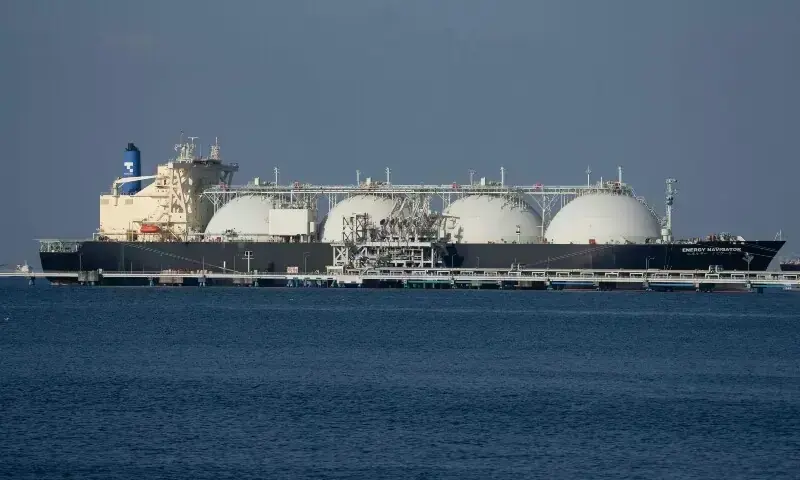
The Oil and Gas Regulatory Authority (Ogra) in Pakistan has announced a record 32% increase in regasified liquefied natural gas (RLNG) prices for August, pushing the rate to its highest level in a decade. The new price is set at $25.83 per mmBtu for Sui Northern Gas Pipelines Limited (SNGPL) and $25.09 per mmBtu for Sui Southern Gas Company Limited (SSGCL), translating to approximately Rs7,204 per mmBtu at the retail level. This significant price hike is attributed to the necessity of procuring five LNG cargoes from the spot market after failing to secure a shipment from Qatar, reportedly due to the US-Iran conflict. This increase follows a 15% rise in July and a staggering 148% surge compared to February prices. The higher RLNG costs are expected to dramatically increase fuel expenses for power generation, with RLNG-based power costs already rising to Rs31 per unit in May from Rs13.72 in April. Concurrently, liquefied petroleum gas (LPG) prices have also seen a 5.4% increase, reaching Rs254.32 per kg for August. In a notable development, Ogra revealed that it had reduced prescribed prices for gas utilities, leading to an estimated Rs50 billion in savings. However, these savings will be allocated towards adjusting the gas sector's circular debt, which stands at approximately Rs3.5 trillion, rather than being passed on to consumers as lower gas rates. This decision aligns with the government's communication to the International Monetary Fund (IMF) that consumer gas prices would remain unchanged. The regulator's determination of lower revenue requirements for SNGPL and SSGCL, finalized on June 23 and belatedly disclosed, will allow annual revenues of Rs817 billion for the utilities. This includes Rs501 billion for SNGPL and Rs315.8 billion for SSGCL, with surplus amounts being used to offset previous years' shortfalls as per a Federal Cabinet decision on June 30, 2024.
The surge in RLNG prices to a decade-high underscores the vulnerability of Pakistan's energy security to global supply disruptions and geopolitical factors, particularly the reliance on spot market purchases. The decision to divert consumer savings, derived from lower determined revenue requirements for gas utilities, towards addressing the substantial gas sector circular debt highlights a systemic challenge in Pakistan's energy finance. This approach prioritizes debt management over immediate consumer relief, potentially impacting affordability and demand. The non-transparent and delayed disclosure of Ogra's price determinations, deviating from established practice, raises questions about regulatory governance and public accountability. Looking ahead, such pricing volatility and the allocation of savings suggest a continued tension between fiscal consolidation, energy security, and consumer welfare, demanding a more sustainable and transparent framework for energy pricing and debt resolution in the coming decade.
AI-generated to prompt reflection — not editorial opinion, not advice, not a statement of fact. How this works.