Pakistan's Seed Cotton Arrivals Surge Over 32% Driven by Sindh's Record Gains
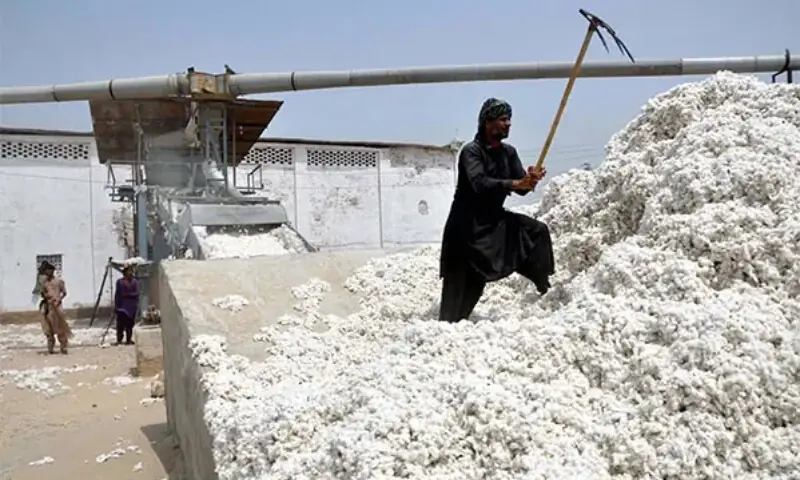
Seed-cotton arrivals at Pakistani ginning factories increased by over 32% year-on-year by July 31, reaching 785,822 bales, according to the Pakistan Cotton Ginners Association (PCGA). This significant rise was primarily fueled by a substantial 66.82% increase in Sindh, which recorded 487,672 bales, and a 52.67% jump in Balochistan to 22,900 bales. In contrast, Punjab experienced a slight 1.1% decline, with arrivals at 298,150 bales. A notable discrepancy exists between PCGA figures and the Punjab government's Crop Reporting Service (CRS), with the latter reporting approximately 435,000 bales for Punjab. Cotton Ginners Forum Chairman Ihsanul Haq highlighted concerns over the shrinking cotton acreage in Punjab, particularly in Bahawalpur Division, attributing it to the rapid expansion of sugarcane cultivation. This shift, he warned, is forcing Pakistan to increase its reliance on imports for both cotton and edible oil, citing record edible oil imports of 3.482 million tonnes worth $3.785 billion in 2025-26. Textile mills purchased 704,000 bales, while exporters bought 3,400 bales, leaving 78,044 bales unsold. Sanghar district in Sindh contributed significantly, accounting for 51% of the national total. Experts advise growers on pest management and crop protection amidst potential threats from humidity and rainfall.
The reported surge in seed-cotton arrivals, particularly from Sindh, presents a complex picture of Pakistan's agricultural sector. While increased output is generally positive, the underlying dynamics reveal potential systemic vulnerabilities. The noted discrepancy between industry and government reporting suggests a need for improved data transparency and standardization to accurately assess national agricultural capacity. Furthermore, the shift from cotton to sugarcane cultivation, driven by market incentives and processing infrastructure, highlights a critical trade-off between short-term economic gains and long-term food and textile security. This trend necessitates a strategic re-evaluation of land use policies to balance the demands of various agricultural commodities and mitigate future import dependencies. The industry's reliance on imports for essential goods like edible oil underscores the broader economic implications of agricultural policy choices.
AI-generated to prompt reflection — not editorial opinion, not advice, not a statement of fact. How this works.
