Pakistan's State Bank Likely to Hold Interest Rates Amid Gulf War Uncertainty
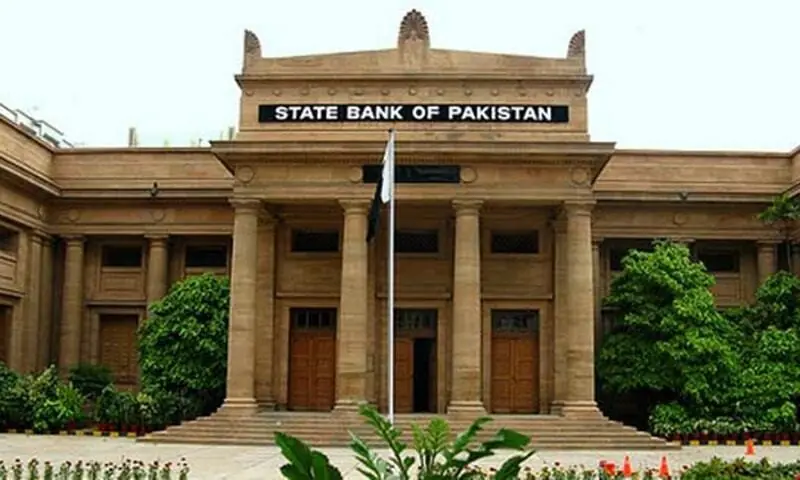
Pakistan's State Bank is widely anticipated to maintain its current policy interest rate at its upcoming monetary policy meeting on Monday, July 27th. Policymakers are hesitant to adjust the benchmark rate due to significant uncertainty stemming from the ongoing Gulf war. Economists and analysts are still evaluating the war's full impact on Pakistan, but it has already driven global oil prices above $100 per barrel, affecting economies worldwide. The State Bank appears to be prioritizing macroeconomic stability over stimulating growth, as a rate change could jeopardize this delicate balance. Despite increased inflationary pressures from higher oil prices, the government and central bank aim to keep average CPI inflation within the 7-8% range for fiscal year 2027, though this outlook is contingent on regional developments. The central bank previously reduced its policy rate by 50 basis points to 10.5% in December 2025, then raised it by 100 basis points to 11.5% in April 2026, and has held it steady since. Trade and industry sectors have called for a rate cut of at least 200 basis points, but the bank has refrained from a more pro-growth stance. Banks have also shown reluctance to increase private-sector lending, opting instead to invest heavily in government securities, with Rs5.9 trillion invested in FY26 compared to only Rs1.4 trillion for the private sector. Analysts predict little chance of either a rate cut or hike, as lower rates could fuel inflation and a hike would further dampen growth. The World Bank projects Pakistan's economic growth below 4% for FY27, contrasting with the government's target of over 4%. Over 90% of stakeholders surveyed expect the policy rate to remain unchanged, with a small minority anticipating a slight increase. The trajectory of the Gulf conflict will significantly influence Pakistan's economic outlook, making an unchanged policy rate the most probable outcome.
The State Bank of Pakistan's decision to likely hold its policy rate steady reflects a common challenge faced by developing economies: balancing inflation control with growth stimulation amidst external shocks. The elevated global oil prices, driven by geopolitical tensions in the Gulf, create a difficult trade-off. Raising rates to combat imported inflation could stifle already sluggish domestic growth, while lowering rates to spur activity risks exacerbating price pressures. The preference for stability over growth, particularly when banks are channeling liquidity into government debt rather than private sector investment, suggests a cautious approach to navigating immediate risks. Looking ahead, Pakistan's economic policymakers will need to consider how to foster private sector credit expansion and diversify energy sources to build resilience against future commodity price volatility and geopolitical disruptions. The interplay between regional stability, global energy markets, and domestic economic policy will continue to shape Pakistan's trajectory over the next decade.
AI-generated to prompt reflection — not editorial opinion, not advice, not a statement of fact. How this works.