Pakistan's textile trade faces scrutiny over labor standards, but evidence matters
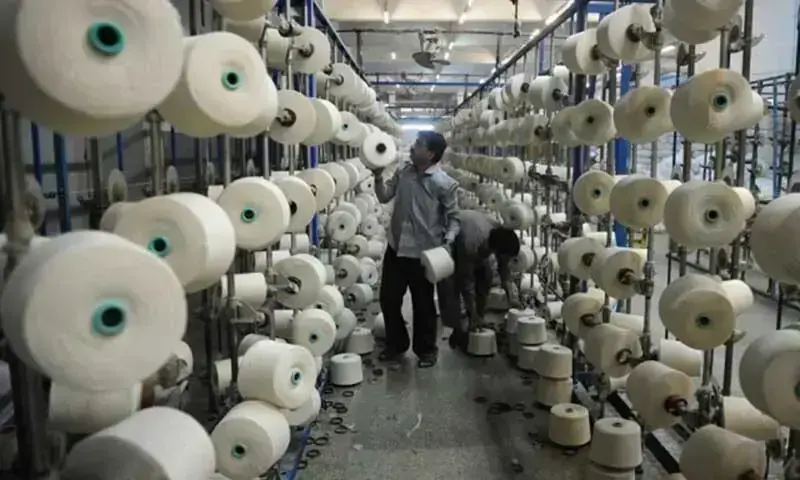
European lawmakers are increasingly scrutinizing labor and sustainability conditions in supplier countries, with Pakistan's textile trade often facing accusations of widespread labor abuse. However, the article argues that while Pakistan has a significant national child labor problem, particularly in informal sectors, this should not be automatically attributed to its export-oriented textile factories. These formal factories operate under domestic law, international buyer codes, third-party certifications, and EU GSP+ conditionality, and are subject to human-rights due diligence and traceability requirements. Programs like Better Work Pakistan assess factories, showing low non-compliance rates for minimum wages (4.6%) and overtime payments (2.3%), indicating that sector-wide lawlessness is not supported by data. Major exporters have implemented strict policies against child and forced labor, along with grievance mechanisms and supply chain screening, with companies like Gul Ahmed and Masood Textile Mills demonstrating commitment to these standards. Similar investments are being made in environmental sustainability, with leading factories adopting renewable energy, water recovery, and advanced chemical management systems. Companies are also investing in worker welfare through healthcare, education, and disability inclusion programs. While acknowledging that Pakistan must strengthen labor inspections and improve transparency, the article advocates for a nuanced approach based on verifiable evidence rather than broad generalizations. It suggests that abrupt restrictions based on generalized allegations would harm compliant factories and workers, and encourages partnership, traceability, and independent verification to address violations and recognize progress.
The article highlights a critical tension between regulatory intent and evidence-based enforcement in international trade. While the EU's drive for higher labor and environmental standards is legitimate, the potential for broad-stroke regulations to unfairly penalize compliant actors in developing economies warrants careful consideration. The piece suggests that systemic issues in Pakistan's informal sector are being conflated with the practices of its formal, export-oriented textile industry, which appears to be undergoing significant reforms under international scrutiny. Moving forward, the challenge lies in designing regulatory frameworks that are both robust enough to drive meaningful change and precise enough to differentiate between systemic failures and industry-specific improvements, thereby fostering genuine progress without resorting to reputational punishment or unintended economic disruption.
AI-generated to prompt reflection — not editorial opinion, not advice, not a statement of fact. How this works.