Pakistan's Voter Rolls Shrink by Over 589,000 as Deceased Voters Are Removed
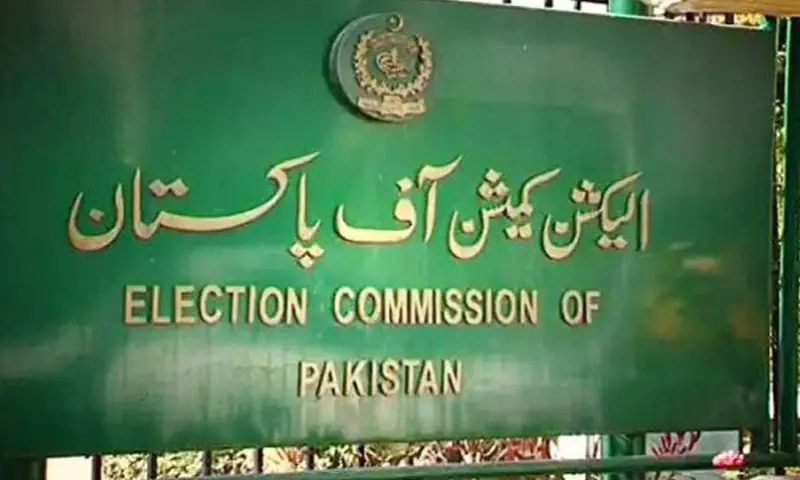
Pakistan's electoral rolls experienced a net decrease of 589,458 registered voters between May 7 and July 2, 2026. This contraction occurred as the Election Commission of Pakistan (ECP) removed approximately 1.48 million deceased individuals from the voter database, a figure that significantly outweighed the 895,000 new voters enrolled during the same period. The total number of registered voters consequently fell from 137,163,857 to 136,574,399. The decline affected both male and female voters, with male registrations dropping by 450,962 and female registrations by 138,496, narrowing the gender gap slightly. The majority of the decrease was concentrated in Punjab province, which lost 478,909 voters, accounting for over 81% of the national reduction. Faisalabad district in Punjab saw the largest drop, with 41,264 voter entries removed. Sindh province followed with a decrease of 97,216 voters, and Karachi South recorded the biggest decline within Sindh. Khyber Pakhtunkhwa (KP) experienced a smaller net decline of 9,046 voters, but notably, it was the only province where more districts saw an increase in voters than a decrease. Balochistan and the Islamabad Capital Territory also recorded modest declines. Despite the overall reduction, 45 districts across the country registered a net increase in voters, with Peshawar in KP and Quetta in Balochistan showing significant gains.
The ECP's proactive removal of deceased voters from electoral rolls is a critical step toward maintaining the integrity and accuracy of the voter registry. This process, by reducing the number of inactive or invalid entries, enhances the reliability of election data and potentially mitigates opportunities for electoral fraud. The net decrease, while substantial, reflects a necessary administrative correction rather than a systemic issue with voter participation itself. Future electoral reforms could explore the integration of real-time civil registration data to automate and expedite the update process, further strengthening the electoral system's robustness against demographic shifts and ensuring a more accurate representation of the active electorate.
AI-generated to prompt reflection — not editorial opinion, not advice, not a statement of fact. How this works.