Pakistan's Water Crisis: Debt, Poverty, and Environmental Degradation
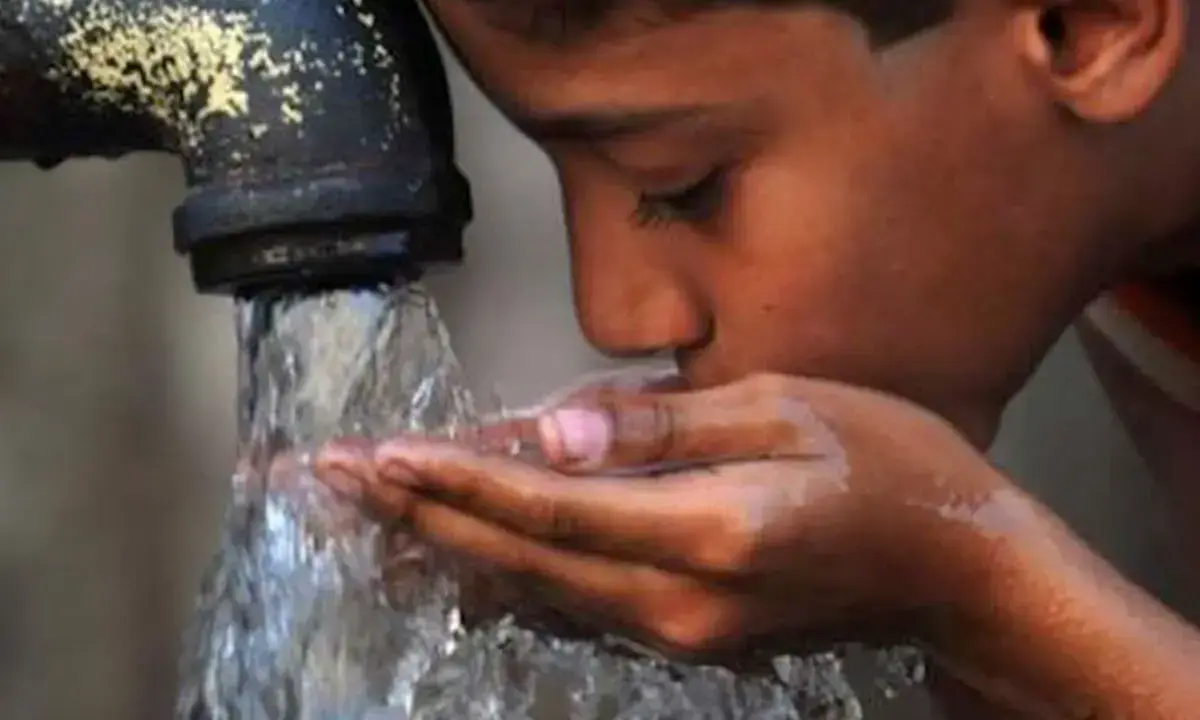
Pakistan is grappling with a severe water crisis characterized by dwindling surface storage and rapid groundwater depletion. The nation's water storage capacity is estimated at only 30 days, far below the international benchmark of 120 days. In March 2025, key reservoirs like Tarbela and Mangla reached critical low levels, leading to significant water shortages, particularly in Sindh province. Compounding these issues are internal challenges such as institutional paralysis, dam siltation, and substantial water losses in conveyance systems, which result in valuable freshwater being lost to the sea. NASA's research identifies the Indus Basin as one of the most stressed aquifers globally, with depletion rates accelerating due to excessive extraction, climate change, and regulatory failures, especially in central Punjab. This vanishing water buffer disproportionately affects smallholder farmers, trapping them in a cycle of debt and poverty, and leading to chronic illnesses and reduced human capital due to reliance on polluted water sources. Agriculture, a major contributor to Pakistan's GDP and employment, is a primary driver of this water stress, exacerbated by inefficient irrigation and over 1.3 million unregulated tube wells. Industrial sectors, including textiles, tanneries, chemicals, and cement, have also seen a 20% increase in water demand over the past decade, with over 90% of industrial plants in Punjab and Sindh operating without regulation, accelerating groundwater depletion and saline intrusion. The quality of water is further deteriorating as a small proportion of wastewater is recycled, and industrial hubs discharge untreated toxic waste into water bodies, contaminating groundwater. This pollution directly impacts drinking water sources for millions and contributes to water poverty for women and girls, who spend excessive time fetching water, sacrificing education and economic opportunities. Inter-provincial disputes over water sharing, fueled by a lack of trust and unreliable data, further undermine national cohesion and lead to political conflict. While Pakistan has numerous policy documents addressing water management, their implementation remains poor due to weak political will, insufficient funding, and a lack of integration with sustainable development goals. Addressing this crisis requires comprehensive reforms, including increased storage capacity, improved efficiency, groundwater management, digital telemetry, climate resilience, and centralized funding. Solutions proposed include volumetric pricing, fines for non-compliance, subsidized efficient irrigation technologies, infrastructure investments like dams, and public-private partnerships for industrial effluent treatment. Ultimately, Pakistan's hydrological future depends on good governance, judicious investment, and political will to enact reforms, as the cost of inaction far outweighs the cost of reform.
Pakistan's escalating water crisis highlights a critical intersection of environmental degradation, economic vulnerability, and governance challenges. The over-reliance on inefficient agricultural practices and unregulated industrial extraction, coupled with decades of underinvestment in water infrastructure, has created a systemically unsustainable model. This situation exacerbates existing socio-economic inequalities, particularly impacting smallholder farmers and rural communities, and creates a cycle of debt and poor health. The fragmented governance of water resources across provinces, marked by disputes and a lack of trust, impedes the effective implementation of national policies. Looking ahead, the imperative for Pakistan is to transition towards a water-secure future by integrating advanced water management technologies, fostering inter-provincial cooperation, and enacting robust regulatory frameworks. Strategic investments in water storage, efficient irrigation, and wastewater treatment, alongside a shift in pricing mechanisms and industrial practices, are essential to mitigate risks and build resilience against climate stress. The long-term economic and social stability of Pakistan is intrinsically linked to its ability to manage and conserve its most vital resource.
AI-generated to prompt reflection — not editorial opinion, not advice, not a statement of fact. How this works.
