Pakistan's wildlife rescuers combat heatstroke and dehydration in birds amid rising temperatures
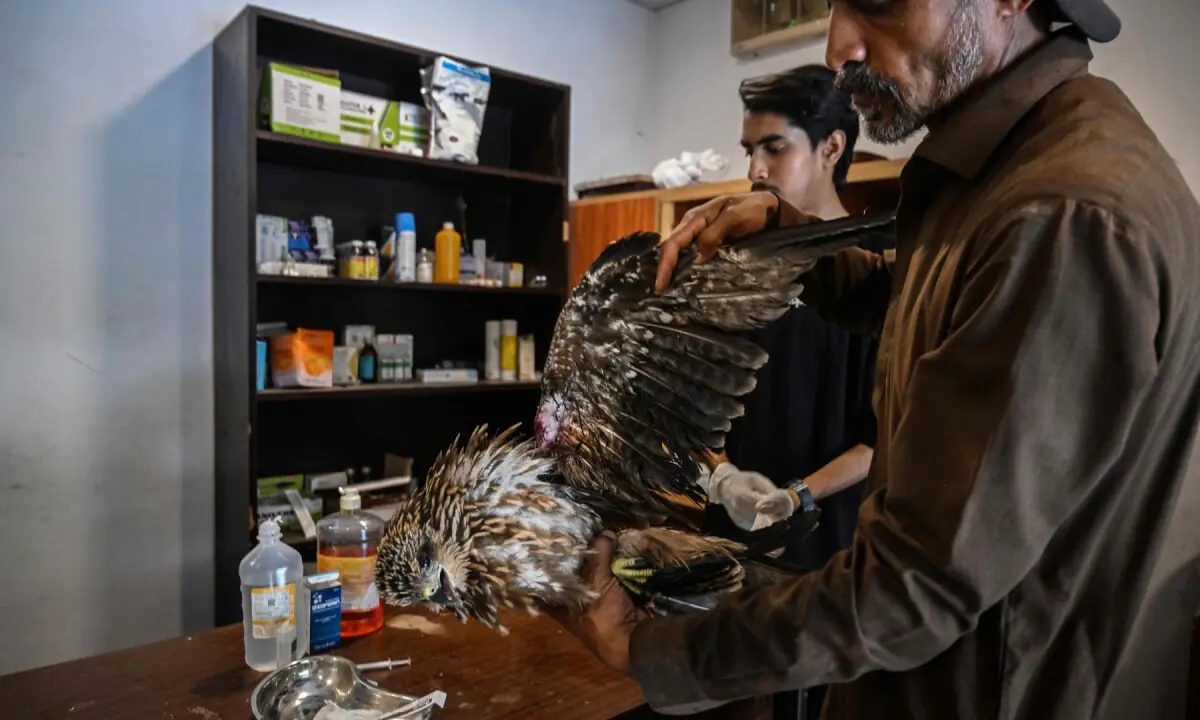
Wildlife rescuers in Islamabad, Pakistan, are increasingly treating birds suffering from dehydration and heatstroke due to the country's hotter summers. Pakistan is highly vulnerable to climate change, with 2025 marking its second-warmest year since 1960, and temperatures in Islamabad exceeding 40°C this summer. The Margallah Wildlife Rescue Centre, formerly the Islamabad Zoo, has seen a shift in cases from injuries sustained during kite flying to those caused by extreme heat stress. Wildlife officer Zaheer Ahmed reports the center receives up to 30 calls daily during summer for distressed wildlife, primarily birds, requiring medical attention, food, and water. Birds are kept in quarantine until they recover and are fit for release. Scientists warn that human-induced climate change is intensifying heatwaves and extreme weather events. The destruction of habitats, including nests, due to fires and heat also poses a significant threat to bird populations. The Islamabad Wildlife Management Board is investigating potential disruptions to bird breeding seasons and food sources caused by climate change. Residents are encouraged to help by placing bowls of water outdoors for birds.
The escalating frequency and intensity of heatwaves in Pakistan, as evidenced by record temperatures and increased wildlife distress, highlight the profound impact of climate change on vulnerable ecosystems. This situation underscores the critical need for adaptive strategies, not only in wildlife rescue but also in broader climate resilience planning for regions disproportionately affected by global warming. The shift in wildlife trauma cases from human-made hazards like kite strings to climate-induced heat stress suggests a systemic environmental change demanding urgent policy responses. Future efforts should focus on mitigating climate change drivers and enhancing habitat preservation to support biodiversity in the face of inevitable environmental shifts.
AI-generated to prompt reflection — not editorial opinion, not advice, not a statement of fact. How this works.