Pakistan seeks diaspora investment in healthcare and tech initiatives
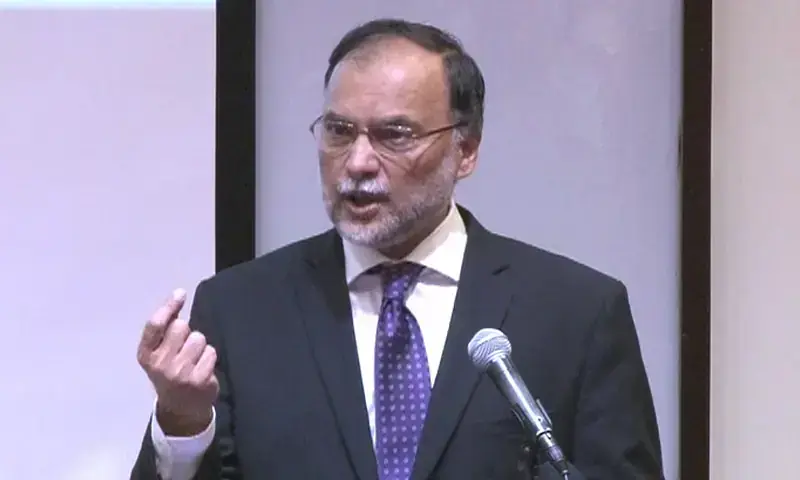
Pakistan is intensifying efforts to boost economic ties with the United States, moving beyond conventional trade to encourage overseas Pakistanis to invest in key sectors. Planning Minister Ahsan Iqbal addressed the Association of Physicians of Pakistani Descent of North America (APPNA) in Orlando, Florida, on Saturday, July 5th, 2026. He urged Pakistani-American professionals and entrepreneurs to participate in the "URAAN Pakistan" initiative aimed at economic transformation. Iqbal proposed creating telemedicine panels with US-based specialists to support doctors in 60 Pakistani districts, enabling remote consultations and knowledge sharing. He also invited medical professionals to contribute to developing AI-driven healthcare solutions in Pakistan. In discussions with business leaders, the minister encouraged investment, technology transfer, and improved market access for Pakistani businesses. Pakistan's strategy focuses on export-led and innovation-driven growth to enhance competitiveness, create jobs, and attract foreign direct investment. Specific opportunities were highlighted in artificial intelligence, digital technologies, renewable energy, and climate resilience. Iqbal emphasized the diaspora's crucial role through their expertise and global networks, reaffirming the government's commitment to a favorable investment climate and policy continuity.
This initiative reflects a strategic pivot by Pakistan to leverage its diaspora not merely for remittances but as active partners in national development, particularly in high-value sectors like healthcare technology and AI. The proposal for US-based telemedicine panels addresses critical gaps in specialized medical access in remote regions, aligning with global trends in digital health. By focusing on an export-led and innovation-driven growth model, Pakistan aims to integrate more deeply into global value chains. The success of such initiatives will hinge on sustained policy continuity, effective governance structures to manage foreign investment and technology transfer, and the ability to create an environment that genuinely fosters trust and long-term commitment from the diaspora. The next decade's technological advancements, especially in AI and digital infrastructure, present both opportunities and challenges for Pakistan to bridge its development gaps and enhance its global competitiveness.
AI-generated to prompt reflection — not editorial opinion, not advice, not a statement of fact. How this works.